I still remember my early days as a bush pilot in Alaska, when understanding what is a transponder and how does it work was a matter of safety and survival. I’ve seen many pilots get confused by the complex explanations and jargon surrounding transponders, which is why I’m excited to share my knowledge with you in a way that’s easy to grasp. As someone who’s passionate about making aviation accessible to everyone, I believe that decoding the secrets of transponders shouldn’t be reserved for experts only.
In this article, I promise to provide you with a no-nonsense guide to understanding transponders, cutting through the hype and technical jargon. I’ll share my personal experiences and insights, gained from years of flying and teaching, to help you grasp the fundamentals of what is a transponder and how does it work. My goal is to empower you with knowledge, not to overwhelm you with complicated theories. So, let’s take off on this journey together, and I’ll show you how transponders play a critical role in ensuring safe and efficient flight operations.
Table of Contents
Unlocking Transponder Secrets
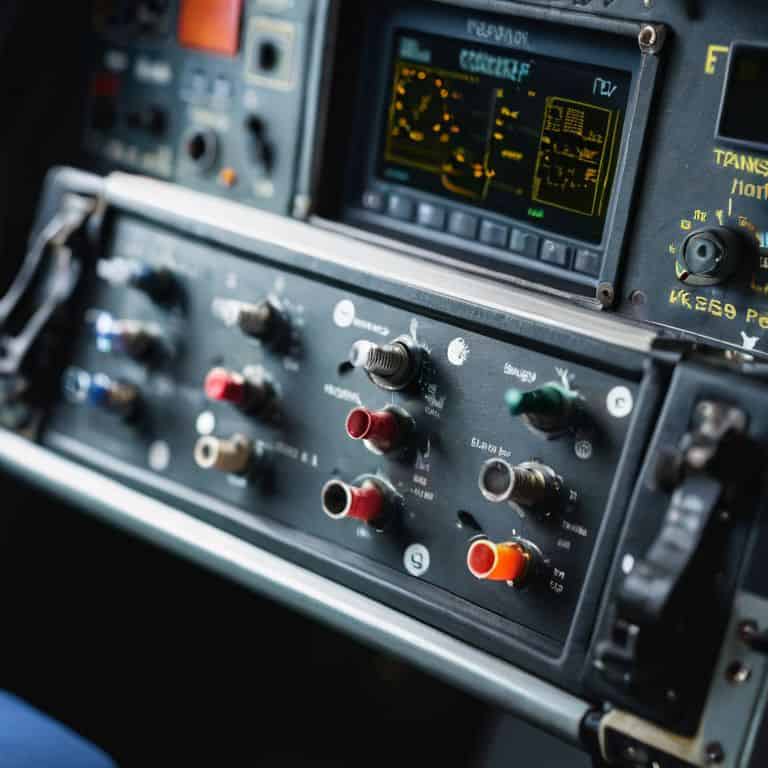
As we delve into the world of transponders, it’s essential to understand the role of aircraft communication systems in modern aviation. A transponder is a critical component of these systems, enabling pilots to transmit vital information to air traffic control and other nearby aircraft. By using a mode s transponder, pilots can share their aircraft’s identity, altitude, and speed, making it easier for controllers to track and manage air traffic.
When it comes to transponder codes explained, it’s crucial to recognize the difference between primary and secondary radar systems. Primary radar relies on radar waves bouncing off an aircraft’s surface, while secondary radar uses the transponder to receive and transmit data. This distinction is vital for ensuring accurate flight data transmission protocols. By understanding how transponders work, pilots can better appreciate the importance of accurate data transmission in maintaining safe distances and avoiding collisions.
In recent years, avionics technology advancements have led to significant improvements in transponder design and functionality. Modern transponders are more efficient, reliable, and easier to use, making it simpler for pilots to focus on flying the aircraft. As we continue to explore the world of transponders, it’s clear that these devices play a vital role in ensuring safe and efficient air travel. By grasping the fundamentals of transponder operation, pilots can gain a deeper appreciation for the complex systems that support modern aviation.
Decoding Mode S Transponder Magic
As we dive deeper into the world of transponders, let’s talk about Mode S transponder technology. This advanced system allows for more precise tracking and identification of aircraft, making it a crucial component of modern air traffic control.
The key to efficient communication lies in understanding how Mode S transponders work. They use a unique address assigned to each aircraft, enabling air traffic controllers to accurately track and guide planes through crowded airspace.
Primary vs Secondary Radar Explained
When it comes to understanding how transponders work with radar systems, it’s essential to grasp the difference between primary and secondary radar. Primary radar relies on the radar system itself to detect and track aircraft, using the reflection of radio waves off the plane’s surface. This method can be less accurate and more prone to interference.
In contrast, secondary radar uses the transponder on board the aircraft to reply to radar interrogations, providing more precise information about the plane’s identity, altitude, and speed. This method is more reliable and widely used in modern air traffic control systems, allowing for more efficient and safe management of airspace.
What Is a Transponder and How
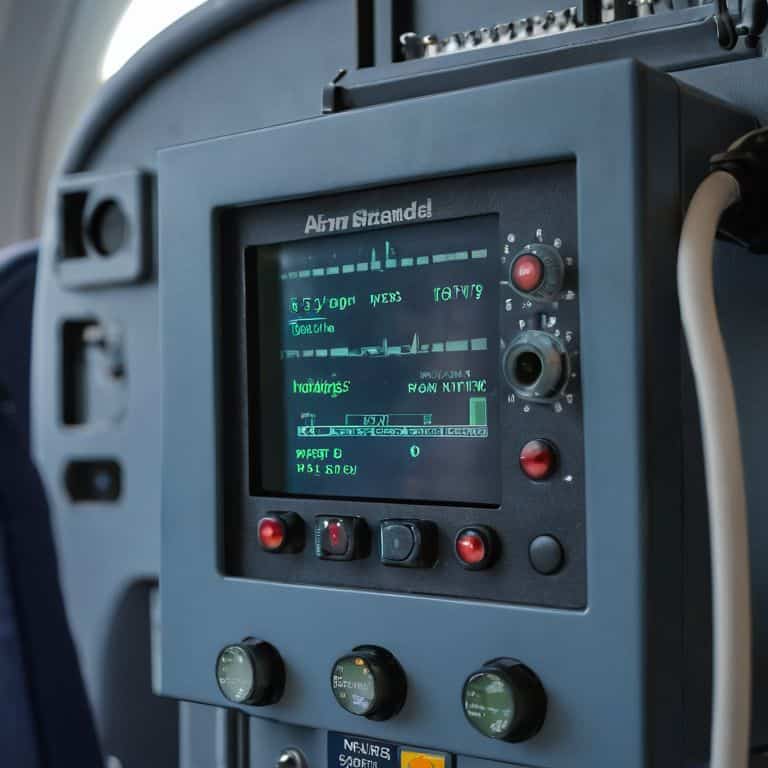
As we delve into the world of aviation, it’s essential to understand the role of aircraft communication systems in ensuring safe and efficient flight operations. A transponder is a critical component of these systems, and its primary function is to respond to radar interrogations from air traffic control. This response helps to identify the aircraft and provide its altitude, which is crucial for maintaining separation between aircraft.
The mode s transponder is a type of transponder that uses a specific mode of operation to transmit flight data to air traffic control. This data includes the aircraft’s identity, altitude, and velocity, and is used to provide a more accurate picture of air traffic. By understanding how transponders work, pilots can better appreciate the importance of transponder codes explained and how they are used to identify specific aircraft.
In the context of radar systems, it’s worth noting the difference between primary radar vs secondary radar. Primary radar relies on the reflection of radar waves off the aircraft’s surface, while secondary radar uses the transponder to provide more detailed information about the aircraft. This highlights the significance of avionics technology advancements in improving flight safety and efficiency.
Avionics Tech Flight Data Transmission
As we explore the world of avionics, it’s essential to understand how flight data is transmitted to air traffic control. This is where the transponder technology comes into play, enabling the exchange of critical information such as altitude, speed, and direction.
In the context of flight data transmission, automatic dependent surveillance-broadcast (ADS-B) systems play a vital role. These systems rely on satellite navigation and periodic broadcasts of an aircraft’s position, allowing for more precise tracking and separation of aircraft in the skies.
Cracking Transponder Codes for Safety
As we delve deeper into the world of transponders, it’s essential to understand how they contribute to safe flying practices. Safety protocols are put in place to prevent accidents, and transponders play a significant role in this process. By transmitting crucial flight data, such as altitude and location, transponders help air traffic control monitor and guide aircraft effectively.
To ensure seamless communication, pilots must be able to decode transponder signals accurately. This involves understanding the various modes and codes used by transponders, which can seem complex at first but are essential for safe navigation. By mastering these codes, pilots can minimize the risk of errors and ensure a smooth flight.
Navigating the Skies with Ease: 5 Essential Transponder Tips
- Understand the basics of Mode S transponders and how they differ from traditional radar systems
- Learn to differentiate between primary and secondary radar, and how transponders interact with each
- Familiarize yourself with the concept of flight data transmission and its role in modern avionics
- Know how to correctly set and use your transponder codes for safe and efficient flight operations
- Regularly review and practice transponder procedures to ensure confidence and competence in the cockpit
Key Takeaways for Safe Flying with Transponders
Understanding how transponders work, particularly the difference between primary and secondary radar, is crucial for safe and effective communication during flight
Mode S transponders offer enhanced capabilities, including the transmission of flight data, which can significantly improve air traffic control’s ability to manage airspace and reduce collisions
By grasping the basics of transponder codes and their role in aviation safety, pilots can better navigate the skies, respond to air traffic control instructions, and ensure a safe flight for all on board
Navigating the Skies with Clarity
A transponder is not just a device, it’s a key to unlocking safe and efficient flight – understanding how it works is like having a compass in your pocket, guiding you through the complexities of aviation with precision and confidence.
Daniel Sato
Conclusion: Navigating the Skies with Confidence
As we conclude our journey through the world of transponders, it’s essential to recall the key concepts we’ve covered. From decoding Mode S transponder magic to understanding the differences between primary and secondary radar, we’ve broken down the complex topics into manageable pieces. By grasping how transponders work and their role in aviation safety, you’ve taken the first steps towards becoming a more informed and engaged member of the flying community. Whether you’re a seasoned pilot or an enthusiastic beginner, this knowledge will serve as your foundation for further exploration and discovery.
As you take to the skies, either physically or through the pages of a book, remember that aviation is all about simplicity and safety. The transponder, once a mysterious device, is now a familiar tool in your arsenal. So, the next time you hear the term ‘transponder’ or ‘Mode S,’ you’ll know exactly what it means and how it contributes to the harmony of flight. Keep exploring, keep learning, and always remember that the secrets of the skies are waiting to be unlocked by curious minds like yours.
Frequently Asked Questions
How does a transponder help in emergency situations?
In emergency situations, a transponder is a lifesaver. It helps air traffic control quickly locate the aircraft and dispatch help. By transmitting a unique code, the transponder signals the plane’s location, altitude, and even its flight path, making it easier for responders to track and assist.
What are the different modes of a transponder and when are they used?
Let’s explore transponder modes. There are several, including Mode A, Mode C, and Mode S. Mode A is used for basic identification, Mode C for altitude reporting, and Mode S for more complex data transmission, like flight ID and position. Each mode serves a specific purpose, and understanding when to use them is key to safe flying practices.
Can a transponder be used in all types of aircraft or are there specific requirements?
While transponders are common in most aircraft, their use isn’t universal. Generally, they’re required in planes that fly in controlled airspace or above certain altitudes. However, smaller, privately owned aircraft or those flying in uncontrolled airspace might not need them. It really depends on the specific flight conditions and regulations.