I still remember my first flight as a bush pilot in Alaska, where I had to create a flight plan from scratch, relying on my training and instincts to navigate through treacherous terrain. It was a daunting task, but one that taught me the importance of meticulous planning in aviation. When it comes to how to create a flight plan, many pilots, especially students, are intimidated by the complexity of the process. However, I’ve found that breaking it down into simple, manageable steps can make all the difference.
In this article, I’ll share my personal approach to crafting a flight plan, one that I’ve refined over years of flying and teaching. You can expect practical advice and step-by-step guidance on how to create a flight plan that’s both safe and efficient. I’ll cut through the jargon and focus on the fundamentals, providing you with a clear understanding of the process and the confidence to apply it in real-world scenarios. By the end of this guide, you’ll be well on your way to becoming a pro at how to create a flight plan, and you’ll be able to tackle even the most challenging flights with ease.
Table of Contents
- Guide Overview: What You'll Need
- Step-by-Step Instructions
- Mastering Flight Plans
- Navigating the Skies with Ease: 5 Essential Tips for Creating a Flight Plan
- Key Takeaways for Crafting the Perfect Flight Plan
- Planning for Success
- Conclusion: Mastering the Art of Flight Planning
- Frequently Asked Questions
Guide Overview: What You'll Need
Total Time: 2 hours 30 minutes
Estimated Cost: $0 – $100
Difficulty Level: Intermediate
Tools Required
- Computer with internet connection
- Flight Planning Software such as ForeFlight or Garmin Pilot
- Map or aeronautical chart
- Calculator for performance calculations
Supplies & Materials
- Pilot’s Operating Handbook for specific aircraft performance data
- Weather Briefing from a trusted weather source
- Navigation Charts such as sectionals or low altitude en route charts
- Fuel Consumption Data for estimating fuel requirements
Step-by-Step Instructions
- 1. First, let’s start with the basics – understanding your mission. Before you begin creating a flight plan, you need to know where you’re going, why you’re going there, and what kind of aircraft you’ll be flying. This information will help you determine the best route, altitude, and fuel requirements. Take a few minutes to review your flight objectives and make sure you have all the necessary details.
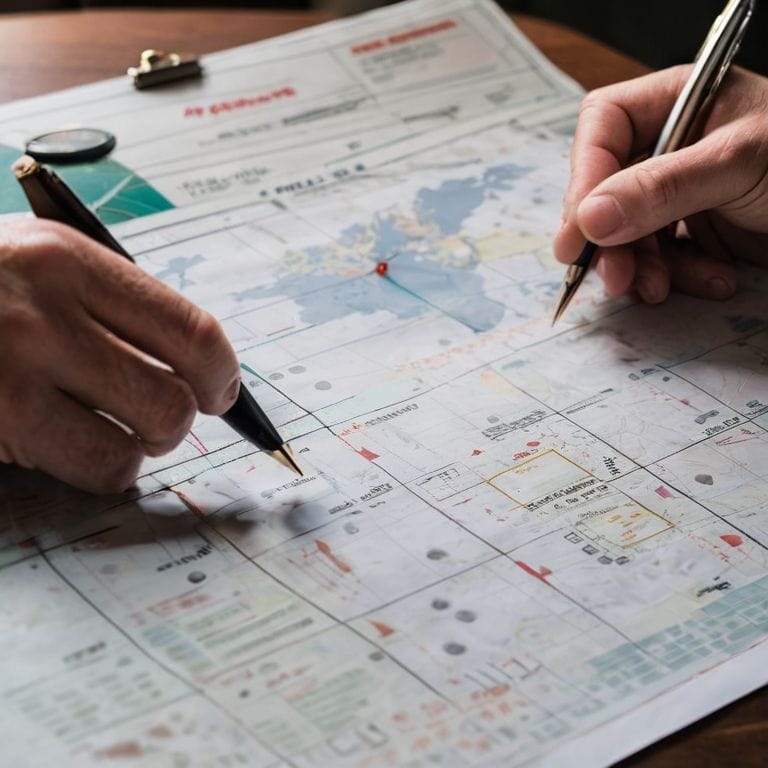
- 2. Next, gather all the essential tools and documents you’ll need to create your flight plan. This includes your aircraft’s performance charts, a map or chart of your intended route, a calculator, and any relevant weather forecasts. Having everything you need within reach will save you time and reduce stress as you work through the planning process.
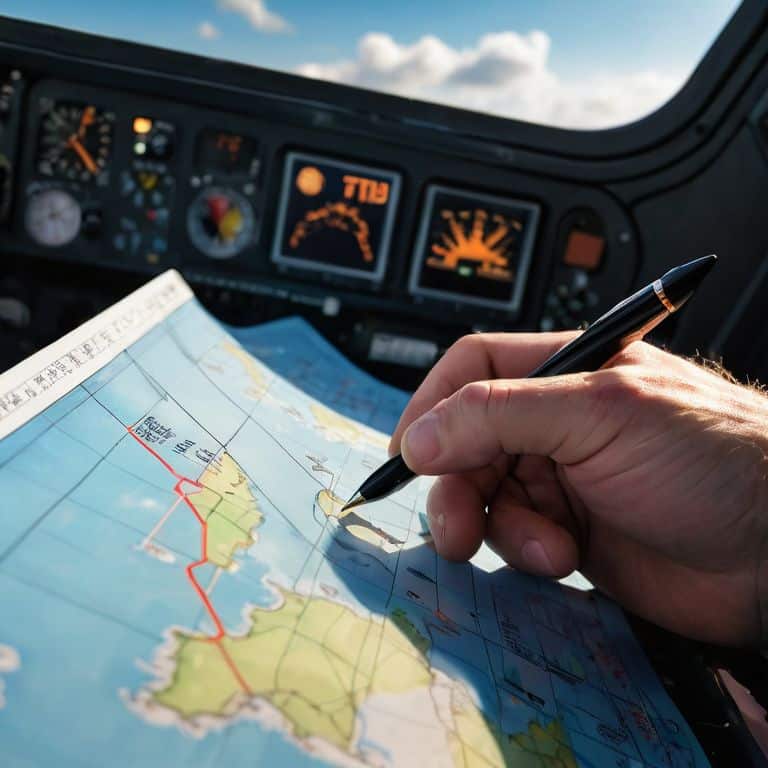
- 3. Now, let’s talk about defining your route. This involves identifying the most efficient and safe path from your departure point to your destination. Consider factors like air traffic control restrictions, weather patterns, and terrain. Use your map or chart to plot a course that avoids any potential hazards and minimizes fuel consumption.
- 4. With your route defined, it’s time to calculate your fuel requirements. This is a critical step, as running low on fuel can be disastrous. Use your aircraft’s performance charts to estimate how much fuel you’ll need for the trip, taking into account factors like altitude, air temperature, and wind resistance. Always err on the side of caution and add a little extra fuel to your calculations, just in case.
- 5. Next, you’ll need to determine your altitude and airspeed. This will depend on a variety of factors, including the type of aircraft you’re flying, the weather conditions, and any air traffic control restrictions. Choose an altitude that allows you to fly efficiently and safely, while also avoiding any potential hazards like turbulence or icing conditions.
- 6. Now that you have your route, fuel requirements, altitude, and airspeed, it’s time to create a detailed flight plan. This should include all the relevant information, such as your departure and arrival times, route of flight, altitude, and fuel requirements. Use a standardized format, like the one provided by the FAA, to ensure that your plan is easy to read and understand.
- 7. Finally, review and revise your flight plan as necessary. Check for any errors or omissions, and make sure that you have all the necessary information and documentation. It’s also a good idea to have someone else review your plan, just to catch any mistakes you might have missed. With a solid flight plan in place, you’ll be well on your way to a safe and successful flight.
Mastering Flight Plans
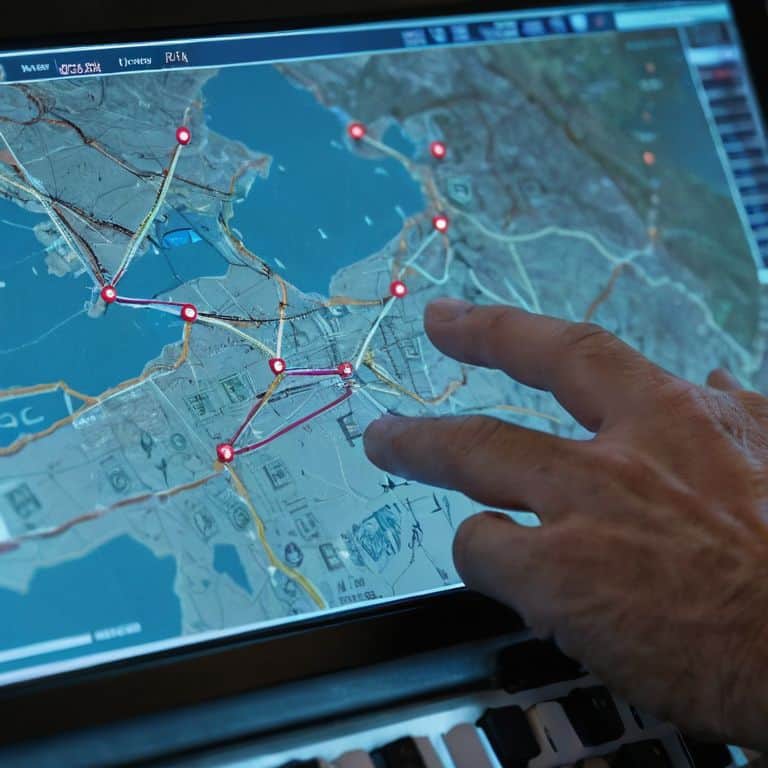
As we dive deeper into mastering flight plans, it’s essential to consider the role of flight planning software tools in streamlining our process. These tools can help us navigate complex airspace restrictions and optimize our routes for maximum efficiency. By leveraging technology, we can reduce the risk of errors and ensure a smoother flight.
When it comes to calculating fuel efficiency, pilots must take into account various factors, including weather conditions and aircraft performance. Understanding weather forecasting is crucial in this regard, as it enables us to make informed decisions about our flight plan. By staying ahead of the weather, we can avoid potential hazards and ensure a safe journey.
To take our flight planning to the next level, we can also explore the benefits of an electronic flight bag. This digital toolkit provides us with instant access to a wealth of information, from navigation charts to weather reports. By embracing these innovative solutions, we can refine our skills and become more confident, competent pilots.
Calculating Fuel Efficiency for Success
To calculate fuel efficiency, think of it like planning a road trip – you need to know how far you’re going and how much gas you’ll need. In flying, this means considering your aircraft’s performance, the route you’re taking, and the weather conditions. I like to use a simple checklist to ensure I don’t miss anything: distance, altitude, airspeed, and fuel burn rate. By plugging in these numbers, you can get a accurate estimate of how much fuel you’ll need for the trip.
This step is crucial in mastering flight plans, as it helps you avoid running low on fuel and ensures a safe journey. I always tell my students to pad their estimates by a little extra, just in case – it’s always better to have a bit of extra fuel than not enough.
Understanding Airspace With Flight Tools
Understanding Airspace with Flight Tools is crucial for mastering flight plans. As a flight instructor, I always emphasize the importance of familiarizing yourself with the airspace you’ll be flying in. Tools like sectional charts and airspace maps can help you visualize the different classes of airspace, restricted areas, and other hazards. By studying these tools, you can better understand how to plan your route and altitude to avoid any potential conflicts.
I like to think of it like navigating through a complex weather system – you need to understand the bigger picture to make informed decisions. With the right flight tools, you can gain a deeper understanding of the airspace and make more accurate flight plans. It’s all about having the right information at your fingertips to ensure a safe and successful flight.
Navigating the Skies with Ease: 5 Essential Tips for Creating a Flight Plan
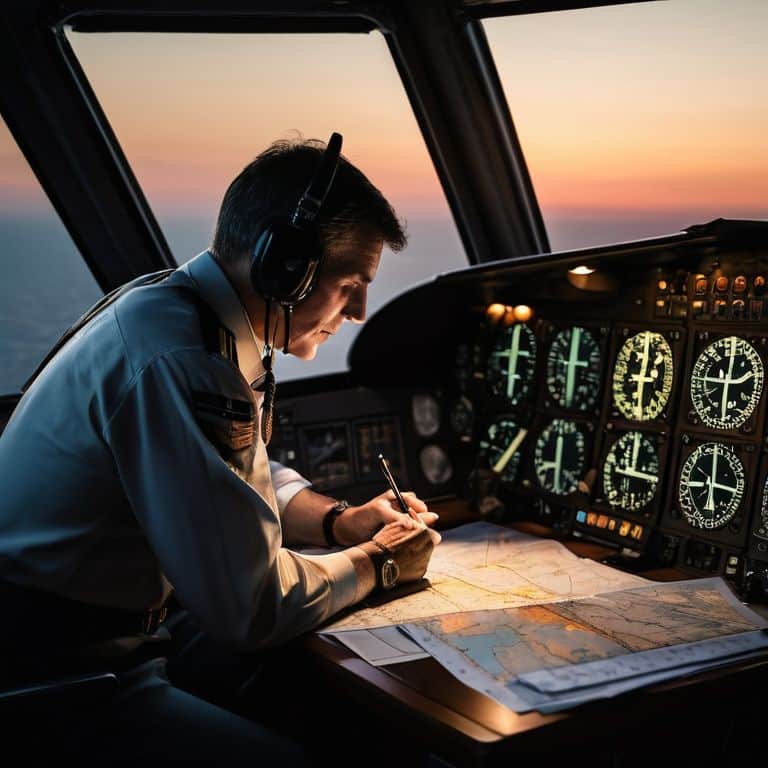
- Start by gathering all necessary information, including your aircraft’s performance characteristics, weather forecasts, and airspace restrictions, to ensure a safe and efficient flight
- Use flight planning tools and software to help visualize your route and identify potential hazards, such as thunderstorms or air traffic control restrictions
- Always calculate your fuel efficiency and reserve, taking into account factors like wind, altitude, and aircraft weight, to avoid running low on fuel during the flight
- Consider alternative routes and emergency procedures, such as diverting to a nearby airport in case of bad weather or mechanical issues, to be prepared for any situation
- Double-check your flight plan with a fellow pilot or instructor, if possible, to catch any mistakes or oversights and ensure a smooth and successful flight
Key Takeaways for Crafting the Perfect Flight Plan
Always start by defining your flight’s objective, whether it’s a quick hop or a long cross-country trip, to ensure your plan is tailored to your needs
Understand and utilize flight tools to navigate complex airspace, and don’t forget to calculate fuel efficiency for a successful and safe flight
Practice makes perfect: the more you create and execute flight plans, the more comfortable you’ll become with the process, so keep learning and flying to master the art of flight planning
Planning for Success
A good flight plan is like a well-charted course through life’s challenges – it’s not just about reaching your destination, but about understanding the journey and being prepared for every twist and turn along the way.
Daniel Sato
Conclusion: Mastering the Art of Flight Planning
As we conclude this step-by-step guide on how to create a flight plan, it’s essential to remember that practice makes perfect. We’ve covered the fundamentals, from understanding airspace to calculating fuel efficiency, and now it’s time to put these skills into action. By following the guidelines outlined in this article, you’ll be well on your way to becoming a proficient flight planner. Don’t be afraid to refer back to the basics as you continue to hone your skills, and always keep in mind that flight planning is a critical component of safe and successful flying.
As you move forward in your aviation journey, remember that mastering flight plans is a skill that will serve you well, whether you’re a seasoned pilot or just starting out. By breaking down the complex process into manageable, bite-sized chunks, you’ll be able to tackle even the most daunting flights with confidence. So, the next time you’re faced with the task of creating a flight plan, take a deep breath, gather your tools, and remember that with patience, persistence, and practice, you’ll be soaring to new heights in no time.
Frequently Asked Questions
What are the most common mistakes to avoid when creating a flight plan for the first time?
When creating a flight plan for the first time, I see students often forget to check for airspace restrictions or miscalculate fuel reserves. Let’s review those crucial steps together to ensure a safe and successful flight.
How do I determine the best route for my flight, taking into account factors like weather and air traffic control?
To determine the best route, consider the big picture – think of it like navigating through changing weather patterns. I teach my students to use tools like GPS and flight planning software to get real-time weather updates and air traffic control info, then plot the most efficient course, just like I do when hiking through backcountry trails, always aware of my surroundings.
Can you explain how to properly file a flight plan with air traffic control, and what information I need to provide?
Filing a flight plan with air traffic control is straightforward. You’ll need to provide your aircraft ID, departure and arrival airports, route, altitude, and estimated flight time. Think of it like filling out a detailed itinerary – be precise and thorough, just like you would with a pre-flight checklist.