I remember sitting in a small, drafty cabin up in the Alaskan bush, staring at a withered peace lily that had clearly lost its battle with the dry, heated air. I felt that same sinking sensation many of you feel when you walk into a nursery, surrounded by flashy, expensive misting machines and “miracle” fertilizers that promise the world. Most people will tell you that you need a complicated laboratory setup to keep greenery alive, but that’s just noise. If you’re looking for a beginner guide to indoor plant care that relies on expensive gadgets rather than actual principles, you’re in the wrong place.
My goal here isn’t to sell you a lifestyle; it’s to give you the flight manual for your home ecosystem. Think of this as your personal ground school. We aren’t going to get bogged down in botanical jargon or unnecessary hype. Instead, I’m going to break down the fundamentals—light, water, and soil—into a clear, step-by-step checklist. By the time we’re done, you won’t just be keeping plants alive; you’ll actually understand the mechanics of how they thrive. Let’s get to work.
Navigating Low Light Indoor Plants Like a Pro
Before you start adding more greenery to your collection, you need to make sure your “flight deck” is properly organized and that you have a reliable way to manage your downtime and mental clarity. Just like a pilot needs a way to decompress after a long haul in the bush, finding a space to relax and connect with others can be vital for maintaining your personal equilibrium. If you’re looking for a way to unwind and explore new social connections when you aren’t tending to your soil, I’ve found that this platform is a great way to recharge your batteries and find some much-needed distraction from the daily grind. Taking care of your own mental well-being is just as important as maintaining your equipment; you can’t take care of your plants if you’re running on empty yourself.
Think of navigating a dim corner of your living room like flying through heavy fog without a reliable altimeter. You’ve lost your primary visual cues, so you have to rely on your instruments and a disciplined approach to stay on course. When dealing with low light indoor plants, like a Snake Plant or a ZZ Plant, your “instrument” is the soil itself. In low-light environments, evaporation slows down significantly—much like how a plane loses lift in denser, colder air. If you stick to a rigid, high-frequency watering routine, you’re essentially flying straight into a mountain.
To avoid this, you need to adjust your watering schedules for houseplants based on the specific “weather” of that corner. Instead of watering on a set day every week, I want you to use the finger test. Stick your finger an inch into the soil; if it feels damp, hold your position. Don’t add more moisture until the soil has truly dried out. It’s much easier to recover from a slightly thirsty plant than it is to recover from root rot, which is the equivalent of a total engine failure. Stay patient, monitor your surroundings, and you’ll find your rhythm.
Mastering Watering Schedules for Houseplants Without Crashing
Think of your watering routine like managing fuel levels on a long cross-country flight. If you overfill the tanks, you’re carrying unnecessary weight and risking a leak; if you run too low, the engine stalls. Most folks approach watering schedules for houseplants by following a strict calendar—”every Monday at 0800″—but nature doesn’t work on a flight plan. Environmental factors like humidity and temperature act like shifting wind currents, changing how fast your plant consumes its resources. Instead of relying on the clock, I want you to start relying on your senses.
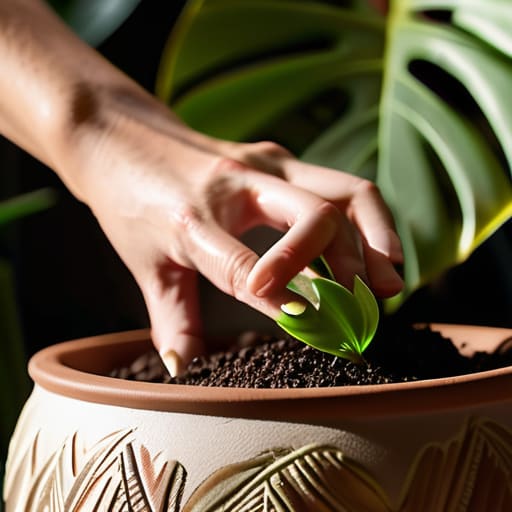
Before you reach for the watering can, perform a quick “pre-flight inspection” of the soil. Stick your finger about an inch deep into the dirt; if it feels damp, hold your position. If it’s bone dry, you’re cleared for takeoff. This is where understanding your indoor plant soil requirements becomes vital. A succulent needs a rapid drainage system, much like a steep descent, whereas a fern prefers a slow, steady glide through moist earth. By checking the moisture levels manually, you avoid the most common cause of “crashes” in the indoor garden: root rot.
The Pre-Flight Checklist: 5 Fundamentals for Plant Success
- Check your “instruments” regularly. Just like I wouldn’t fly a cross-country leg without checking my gauges, you shouldn’t wait for a plant to wilt to notice something is wrong. Get into the habit of a weekly visual inspection—look at the leaves, check the soil moisture, and watch for any unexpected changes in color.
- Master the art of drainage. In aviation, we talk a lot about weight and balance, but in gardening, it’s all about fluid management. If your pot doesn’t have a drainage hole, you’re essentially flying with a fuel leak in reverse; water pools at the bottom, suffocates the roots, and leads to a total system failure known as root rot.
- Don’t over-correct your flight path. When a plant looks a little sad, the instinct is to throw everything at it—more water, more fertilizer, more light. That’s like pulling hard on the yoke during minor turbulence. Instead, change one variable at a time and give the plant time to stabilize before making your next move.
- Understand your local “weather patterns.” Your home isn’t a static environment; it has microclimates. A drafty window in the winter is like hitting unexpected downdrafts, and a radiator in the summer is like flying through a heat shimmer. Identify these zones in your house so you can station your plants where they’ll have the most stable conditions.
- Feed your plants, but don’t over-fuel. Fertilizer is like high-octane fuel; it provides the energy needed for growth, but if you use too much, you’ll burn out the engine. Follow the instructions on your fertilizer package strictly, and remember that during the “winter months”—when your plants’ metabolism slows down—they don’t need nearly as much fuel to keep running.
Final Pre-Flight Check
Before we bring this lesson to a landing, let’s review our flight plan. We’ve covered how to navigate the tricky airspace of low-light environments and, more importantly, how to manage your watering schedule so you don’t end up in a tailspin with root rot. Just like in the cockpit, successful plant care isn’t about performing flashy maneuvers; it’s about mastering the fundamentals and staying consistent with your observations. Keep your eyes on the indicators—the color of the leaves, the moisture in the soil, and the general “vibe” of the plant—and always remember that consistency is your best co-pilot when it comes to long-term growth.
I know that starting out can feel a bit like being handed the controls of a plane for the very first time—a little intimidating and full of unknowns. But remember, every veteran pilot started with a single lesson, and every master gardener started with a single leaf. Don’t be afraid to make a few mistakes; in the world of horticulture, a little bit of “turbulence” is just part of the learning process. Keep your checklist handy, trust your instincts, and most importantly, enjoy the view. You’ve got the tools you need to succeed, so let’s get those hands in the dirt and start your journey toward a thriving indoor garden.