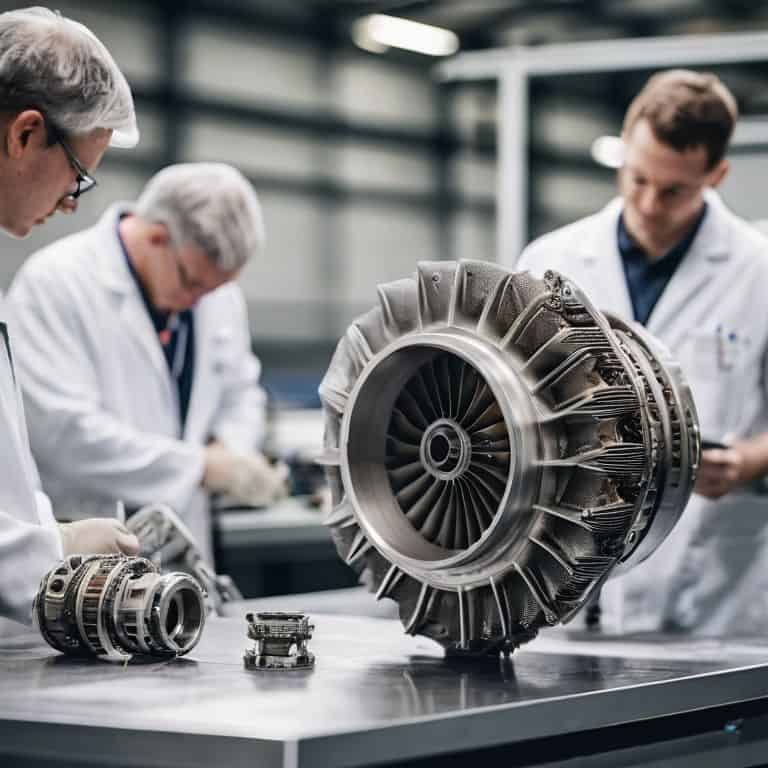
As I sit here, watching the planes take off and land at the airport, I’m reminded of the complexity of the systems that make it all possible. People often think that getting an aircraft certified is just about meeting regulatory requirements, but the truth is, it’s an intricate dance of design, testing, and validation. I’ve spent years working as an aviation systems consultant, and I can tell you that a guide to the aircraft certification process is not just about checking boxes – it’s about understanding the nuances of how all the pieces fit together.
In this article, I’ll take you through the practical steps of navigating the aircraft certification process, from initial design to final approval. You’ll get honest, no-hype advice on how to avoid common pitfalls and ensure that your aircraft meets all the necessary requirements. Whether you’re a seasoned aviation professional or just starting out, this guide to the aircraft certification process will give you the insights and tools you need to succeed. By the end of this guide, you’ll have a clear understanding of what it takes to get an aircraft certified and how to make the process as smooth and efficient as possible.
Table of Contents
- Guide Overview: What You'll Need
- Step-by-Step Instructions
- A Guide to Aircraft Certification
- Navigating the Skies: 5 Essential Tips for a Smooth Aircraft Certification Process
- Key Takeaways for a Smoother Aircraft Certification Process
- Certification Insight
- Taking to the Skies with Confidence
- Frequently Asked Questions
Guide Overview: What You'll Need
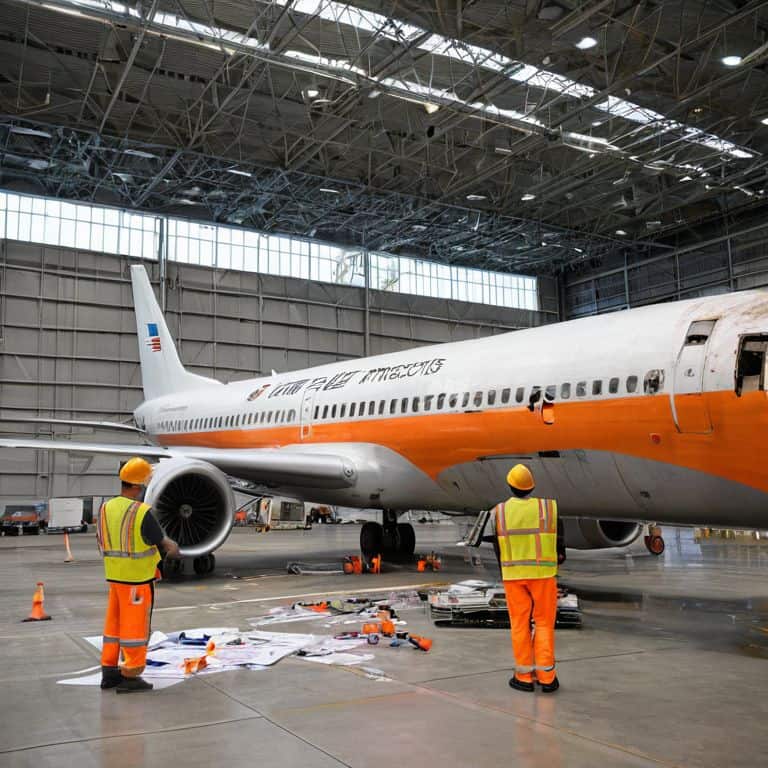
Total Time: several months to several years
Estimated Cost: $5,000 – $50,000 or more
Difficulty Level: Hard
Tools Required
- Computer with internet connection (for research and submission of documents)
- Specialized software (for design and analysis)
- Measurement equipment (e.g., calipers, micrometers)
Supplies & Materials
- Technical documentation (e.g., engineering drawings, test reports)
- Certification standards and regulations (e.g., Federal Aviation Administration (FAA) guidelines)
- Prototype or production aircraft (for testing and inspection purposes)
Step-by-Step Instructions
- 1. First, let’s break down the basics of the aircraft certification process, which involves a series of evaluations and tests to ensure the aircraft meets the regulatory standards set by aviation authorities. This process is like solving a puzzle, where every piece, from design to testing, needs to fit perfectly to get that coveted certification stamp. I’ve spent countless hours watching airport ground operations, and I can tell you that it’s the unseen logistics that make all the difference in getting an aircraft certified.
- 2. Next, the aircraft manufacturer must submit a detailed design proposal to the regulatory authority, outlining the aircraft’s specifications, materials, and safety features. This proposal must include a comprehensive overview of the aircraft’s systems, including electrical, hydraulic, and avionic systems. As someone who enjoys building complex Lego Technic models of aircraft, I can appreciate the level of detail required in this stage.
- 3. The third step involves conducting rigorous testing, including ground tests and flight tests, to validate the aircraft’s performance and safety. This is where the aircraft’s systems are put to the test, and any issues are identified and addressed. I’ve contributed to open-source flight tracking software, and I can tell you that this stage is crucial in ensuring the aircraft’s systems are functioning as intended.
- 4. Following the testing phase, the regulatory authority conducts a detailed review of the test results, to ensure the aircraft meets the required safety and performance standards. This review involves a thorough analysis of the data collected during the testing phase, and any issues identified must be addressed by the manufacturer. As an aviation systems consultant, I’ve seen firsthand the importance of this stage in ensuring the aircraft is safe for operation.
- 5. The fifth step involves obtaining type certification, which is the formal approval of the aircraft’s design and configuration. This certification is typically issued by the regulatory authority, and it’s a major milestone in the aircraft certification process. I’ve worked with several airlines and airports, and I can tell you that this stage is critical in getting the aircraft into service.
- 6. Once the aircraft has obtained type certification, the next step is to obtain production certification, which involves the certification of the manufacturing process and quality control systems. This ensures that each aircraft produced meets the same safety and performance standards as the original certified design. As someone who’s passionate about urban planning photography, I can appreciate the importance of attention to detail in this stage.
- 7. Finally, the last step involves ongoing monitoring and maintenance, to ensure the aircraft remains airworthy throughout its operational life. This involves regular inspections, maintenance, and upgrades, to ensure the aircraft continues to meet the required safety and performance standards. I’ve spent years working on improving operational efficiency and passenger flow, and I can tell you that this stage is essential in ensuring the aircraft remains safe and efficient.
A Guide to Aircraft Certification
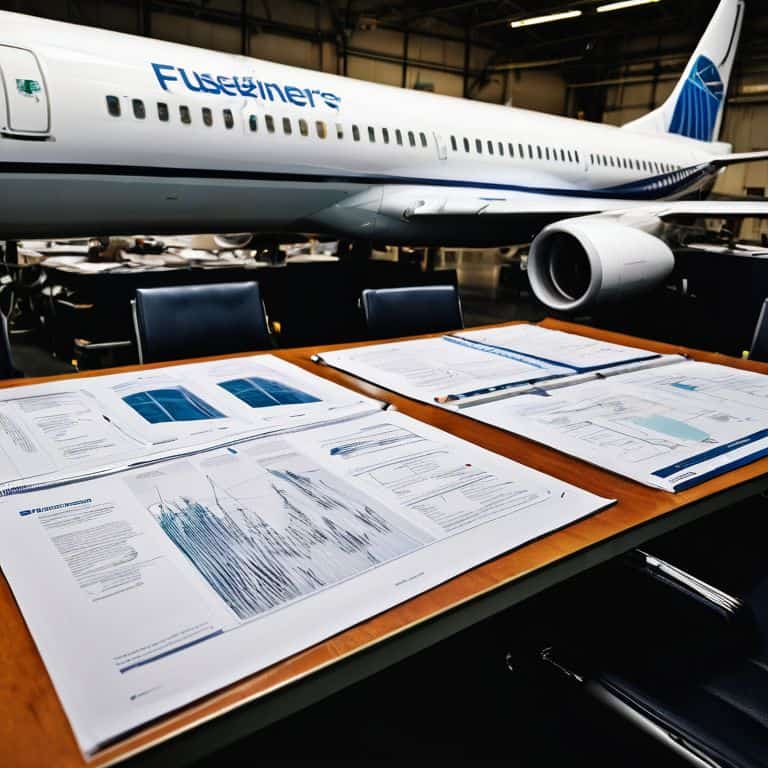
As I delve into the world of aircraft certification, I’m reminded of the complexity of regulatory requirements that govern aircraft design. The process is a delicate dance between innovation and compliance, where every detail matters. For instance, the FAA vs EASA certification standards can be a significant factor in determining the certification path for an aircraft. Understanding these nuances is crucial for manufacturers to ensure their designs meet the necessary standards.
When it comes to aircraft testing and inspection procedures, it’s essential to have a thorough understanding of the certification of aircraft electrical systems. This involves a rigorous evaluation of the electrical systems to ensure they meet the required safety standards. I’ve spent hours watching airport ground operations, fascinated by the intricacies of these systems. By streamlining these processes, manufacturers can reduce the time and cost associated with certification.
In the context of compliance with international aviation regulations, it’s vital to consider the aircraft type certification process as a whole. This involves not only meeting regulatory requirements but also ensuring that the aircraft design is optimized for safety and efficiency. By taking a holistic approach to certification, manufacturers can navigate the complex landscape of regulatory requirements and bring their designs to market more quickly.
Clearing Regulatory Hurdles With Smarter Design
As I delve into the world of aircraft certification, I’m reminded of my Lego Technic models – every piece, no matter how small, plays a crucial role in the overall design. Similarly, smarter design is revolutionizing the certification process. By integrating innovative materials and systems, manufacturers can reduce weight, increase efficiency, and enhance safety. This, in turn, streamlines the certification process, as regulators can focus on the most critical aspects of the aircraft.
I’ve seen this firsthand in my work with airports and airlines, where even minor design tweaks can have a significant impact on operational efficiency. By embracing smarter design principles, the aviation industry can clear regulatory hurdles more effectively, paving the way for safer, more efficient flights.
Streamlining Faa vs Easa Certification Standards
As I delve into the world of aircraft certification, I’m reminded of the intricate dance between regulatory bodies. The FAA and EASA, two of the most prominent players, have distinct standards that can make or break an aircraft’s certification process. However, there’s a growing push to streamline these standards, making it easier for manufacturers to navigate the complex web of regulations. By harmonizing these standards, we can reduce duplication of effort, decrease certification times, and ultimately make flying safer and more efficient.
I’ve seen firsthand how smarter design and logistics can facilitate this harmonization. For instance, leveraging digital tools to share data and collaborate on certification processes can help reduce the burden on manufacturers and regulatory bodies alike. By embracing such innovations, we can create a more seamless and efficient certification process, clearing the way for the next generation of aircraft to take to the skies.
Navigating the Skies: 5 Essential Tips for a Smooth Aircraft Certification Process
- Start Early: Begin the certification process as soon as possible to avoid costly delays and ensure a seamless integration with your production schedule
- Design with Certification in Mind: Incorporate certification requirements into your design phase to prevent costly rework and reduce the risk of non-compliance
- Choose the Right Certification Path: Understand the differences between FAA and EASA certification standards and choose the path that best suits your aircraft’s design and intended use
- Leverage Digital Tools: Utilize digital platforms and software to streamline the certification process, from design and testing to documentation and submission
- Collaborate with Regulators: Foster open communication with regulatory bodies to ensure a deep understanding of their requirements and to identify potential roadblocks before they become major issues
Key Takeaways for a Smoother Aircraft Certification Process
Embracing innovative design and smarter systems can significantly reduce the complexity and duration of the aircraft certification process, making it more efficient and cost-effective for manufacturers
Understanding and streamlining the differences between FAA and EASA certification standards can help in navigating the regulatory landscape more effectively, ensuring compliance and reducing delays
By leveraging technology and data analytics in aircraft design, testing, and certification, the aviation industry can not only improve safety but also pave the way for more sustainable and environmentally friendly flight operations in the future
Certification Insight
The aircraft certification process is not just a necessary hurdle, but a catalyst for innovation – where the pursuit of safety and efficiency converges with cutting-edge design and logistics, shaping the very future of flight.
Oliver Byrne
Taking to the Skies with Confidence
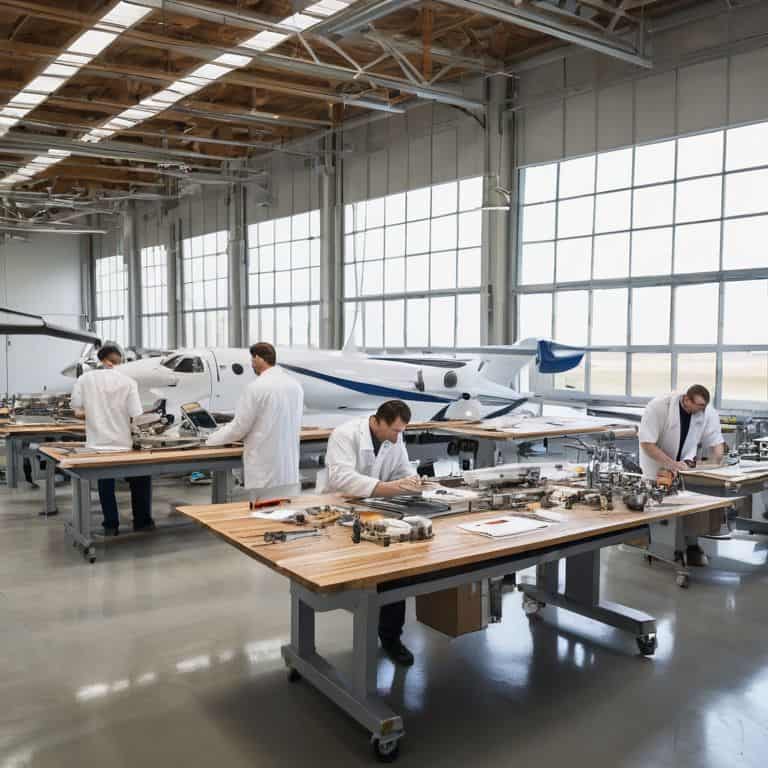
As we’ve navigated the complex world of aircraft certification, it’s clear that streamlining processes and adopting smarter design principles are crucial for success. From understanding the intricacies of FAA vs EASA certification standards to leveraging innovative technologies, the path to certification is paved with precision and patience. By grasping these key concepts, manufacturers and regulators can work together more efficiently, ultimately making air travel safer and more efficient for all. This guide has provided a roadmap through the certification process, highlighting areas where logistical improvements can significantly impact the bottom line and passenger experience.
As we look to the future of aviation, it’s exciting to consider how cutting-edge technologies and collaborative innovation will continue to reshape the industry. The aircraft certification process, once a daunting hurdle, is evolving into a gateway for groundbreaking advancements. By embracing this shift and prioritizing sustainable and efficient solutions, we can unlock a new era of flight that is not only safer and more comfortable but also environmentally conscious. The sky is no longer the limit – it’s just the beginning of what’s possible when human ingenuity and technological prowess come together in perfect harmony.
Frequently Asked Questions
What are the most significant challenges in meeting both FAA and EASA certification standards for new aircraft designs?
One of the biggest hurdles is navigating the subtle differences between FAA and EASA standards, such as varying requirements for safety features and testing protocols. I’ve seen designers get tripped up on things like divergent bird strike regulations or conflicting rules for electronic system redundancy.
How do advancements in materials science and aerodynamics impact the certification process for innovative aircraft features?
Advances in materials science and aerodynamics are a game-changer for certification. New materials like carbon fiber and advanced alloys enable lighter, stronger designs, while improved aerodynamics reduce drag and boost efficiency. These innovations require updated testing and simulation methods, which is where smarter systems come in, helping to streamline the certification process for these cutting-edge features.
Can automated testing and simulation tools reduce the time and cost associated with the aircraft certification process?
Absolutely, automated testing and simulation tools can significantly slash the time and cost of aircraft certification. By replicating real-world scenarios, these tools help identify and fix issues early on, reducing physical prototypes and minimizing the need for redundant testing, thus accelerating the certification process.