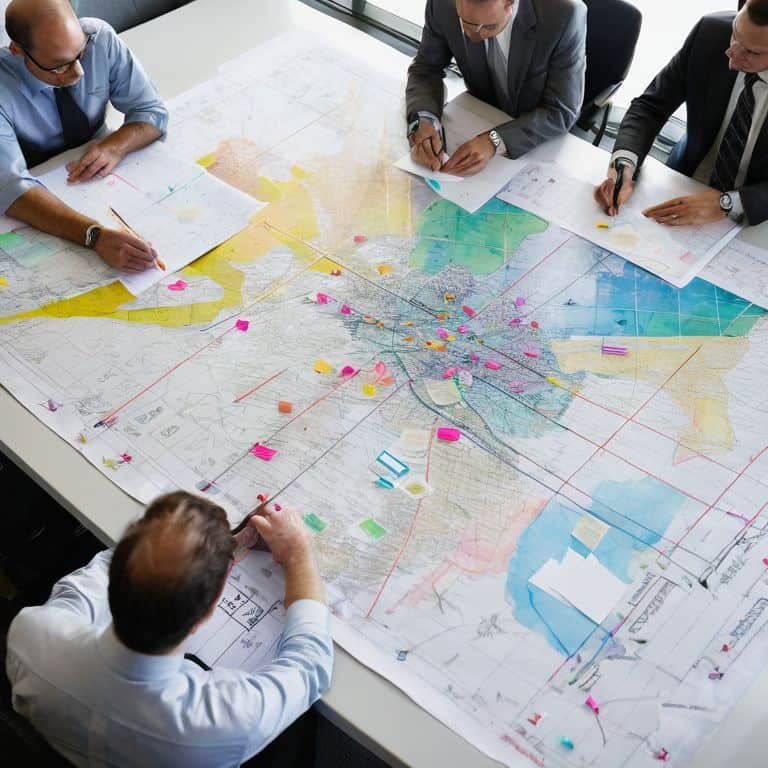
I still remember the countless hours I spent watching airport ground operations, fascinated by the intricate dance of planes, trucks, and personnel. It was during one of those moments that I realized how little people understand about how new air traffic routes are designed. The common myth that it’s all about drawing lines on a map couldn’t be further from the truth. In reality, it’s a meticulous process that requires a deep understanding of airflow, terrain, and even weather patterns. As someone who’s spent years working with airlines and airports, I’ve seen firsthand the impact that well-designed routes can have on efficiency and safety.
As a systems consultant, my goal is to give you a behind-the-scenes look at the process of designing new air traffic routes. I’ll share my own experiences and insights, gained from years of working on the ground, to show you how it’s really done. I’ll cut through the hype and jargon, and provide you with practical, experience-based advice on what works and what doesn’t. Whether you’re an aviation professional or just curious about the inner workings of the industry, I promise to deliver a no-nonsense guide to how new air traffic routes are designed, and what it means for the future of flight.
Table of Contents
Designing Skies

As I delve into the world of air traffic route design, I’m reminded of the intricate air traffic control systems that govern our skies. It’s a complex dance of variables, where route optimization algorithms play a crucial role in minimizing delays and reducing fuel consumption. I’ve spent hours watching airport ground operations, fascinated by the way these systems work in tandem to ensure smooth takeoffs and landings.
The process of designing new air traffic routes involves a deep understanding of aviation weather forecasting, as weather patterns can significantly impact flight paths. By leveraging advanced flight path design software, air traffic controllers can create more efficient routes that take into account wind patterns, turbulence, and other environmental factors. This not only reduces flight times but also decreases the environmental impact of air travel.
As I explore the future of air traffic management, I’m excited about the potential of aerial route planning strategies to revolutionize the way we travel. By implementing more efficient air traffic management protocols, we can reduce congestion in the skies, decrease wait times, and create a more seamless travel experience for passengers. It’s a fascinating world, and one that I’m eager to continue exploring, from the intricacies of logistics to the cutting-edge technology that’s shaping the future of aviation.
Aviation Weather Forecasting Insights
As I delve into the world of air traffic route design, I’m reminded of the crucial role aviation weather forecasting plays in ensuring safe and efficient flight paths. The accuracy of these forecasts is paramount, as it directly impacts the routes that planes take, and subsequently, the overall air traffic flow.
The implementation of advanced weather modeling systems has been a game-changer in this regard, enabling more precise predictions and better decision-making. By leveraging these systems, air traffic controllers can make informed decisions about route adjustments, ultimately reducing delays and improving overall airspace efficiency.
Route Optimization Algorithms Uncovered
As I delve into the world of air traffic route design, I’m fascinated by the complex calculations that occur behind the scenes. The process involves a deep understanding of factors like airflow, terrain, and weather patterns to create the most efficient routes.
The introduction of advanced algorithms has revolutionized this field, enabling the creation of optimized routes that reduce flight times and decrease fuel consumption.
How New Air Traffic Routes Are Designed

As I delve into the world of air traffic control systems, I’m constantly fascinated by the route optimization algorithms that underpin the design of new air traffic routes. These complex systems take into account a multitude of factors, from weather patterns to air traffic volume, to create the most efficient flight paths possible. By leveraging advanced aviation weather forecasting techniques, air traffic controllers can anticipate and adapt to changing weather conditions, minimizing delays and ensuring the safest possible journey for passengers.
The use of flight path design software has revolutionized the way air traffic routes are planned and managed. This software enables controllers to simulate different scenarios, testing the efficacy of various routes and identifying potential bottlenecks. By analyzing data from these simulations, controllers can refine their strategies, implementing air traffic management protocols that optimize traffic flow and reduce congestion.
Effective aerial route planning strategies are crucial to the success of air traffic control systems. By carefully considering factors such as wind patterns, air traffic volume, and terrain, controllers can create routes that minimize fuel consumption, reduce emissions, and enhance overall safety. As someone who’s spent countless hours watching airport ground operations, I can appreciate the intricacies of these systems and the impact they have on the efficiency of air travel.
Air Traffic Control Systems Evolution
As I delve into the world of air traffic control, I’m fascinated by the evolution of systems that have transformed the way we manage airspace. From radar technology to automated systems, the progress has been remarkable. One key aspect that stands out is the integration of data analytics to predict and prevent congestion.
The use of advanced simulation models has become a game-changer in air traffic control, allowing for more efficient routing and reduced delays. By analyzing traffic patterns and weather conditions, these models can optimize flight paths in real-time, making the entire system more resilient and adaptable.
Flight Path Design Software Innovations
As I delve into the world of flight path design, I’m fascinated by the sophisticated tools that are revolutionizing the way we plan air traffic routes. One of the key innovations in this field is the development of advanced software that can simulate and optimize flight paths in real-time.
The use of machine learning algorithms in flight path design software is a game-changer, enabling airlines and air traffic controllers to make more informed decisions about routing and scheduling. This, in turn, leads to reduced delays, lower fuel consumption, and a more efficient overall system.
5 Essential Considerations for Designing New Air Traffic Routes
- Understanding Airflow and Terrain: New air traffic routes must take into account the complex interactions between airflow, terrain, and weather patterns to minimize turbulence and reduce flight times
- Integrating Aviation Weather Forecasting: Advanced weather forecasting tools and real-time data are crucial for optimizing air traffic routes and ensuring safe flight operations
- Leveraging Route Optimization Algorithms: Sophisticated algorithms can analyze vast amounts of data to identify the most efficient routes, reducing fuel consumption and lowering emissions
- Collaborating with Air Traffic Control Systems: Effective communication and coordination with air traffic control systems are vital for implementing new routes and minimizing disruptions to existing air traffic
- Utilizing Flight Path Design Software Innovations: Cutting-edge software enables the creation of precise, optimized flight paths that balance efficiency, safety, and environmental considerations
Key Takeaways: Revolutionizing Air Traffic Routes
I’ve come to realize that the future of flight lies not just in the planes themselves, but in the intricately designed systems that govern their paths, making route optimization a crucial aspect of modern aviation
Through advancements in aviation weather forecasting and the evolution of air traffic control systems, we’re witnessing a significant reduction in flight delays and increased safety measures, ultimately changing the way we travel
By embracing innovative flight path design software and algorithms, the aviation industry is poised to make substantial leaps in efficiency, capacity, and environmental sustainability, setting the stage for a new era in air travel
Designing the Future of Flight
The art of designing new air traffic routes is not just about connecting points on a map, but about orchestrating a symphony of safety, efficiency, and innovation – where every tweak in altitude, every bend in trajectory, and every optimization in airflow converges to redefine the very fabric of our skies.
Oliver Byrne
Redesigning the Future of Flight

As we’ve explored the intricacies of designing new air traffic routes, it’s clear that multiple factors come into play. From route optimization algorithms that streamline flight paths, to the critical role of aviation weather forecasting, each element plays a vital part in creating a more efficient and safer airspace. The evolution of air traffic control systems and innovations in flight path design software are also pivotal, as they enable the implementation of these optimized routes. By understanding and leveraging these components, we can significantly enhance the overall flying experience.
As we look to the future, it’s exciting to consider the potential of integrated systems and sustainable aviation practices. By embracing these advancements, we’re not only ensuring a smoother, more enjoyable journey for passengers but also paving the way for a more environmentally conscious and resilient aviation industry. The future of flight is being redesigned, and it’s an exhilarating time to be a part of this transformation, shaping the skies for generations to come.
Frequently Asked Questions
What role do human air traffic controllers play in the design of new air traffic routes versus automated systems?
While automated systems handle the bulk of data analysis, human air traffic controllers bring invaluable expertise to the table, considering factors like safety, efficiency, and environmental impact to fine-tune route designs and ensure they meet real-world needs.
How do designers of new air traffic routes account for unexpected events like natural disasters or global health crises?
That’s where contingency planning and collaborative forecasting come in. Designers use advanced modeling tools to simulate various scenarios, including natural disasters and global health crises, to create adaptable route networks that can be adjusted on the fly, ensuring minimal disruption to air travel.
What impact do new air traffic routes have on local communities and environments, and how are these factors considered in the design process?
When designing new air traffic routes, I consider the impact on local communities and environments, from noise pollution to wildlife habitats. It’s not just about efficiency, but also about being a good neighbor. I’ve seen successful implementations where community feedback is integrated into the design process, ensuring a balance between progress and preservation.