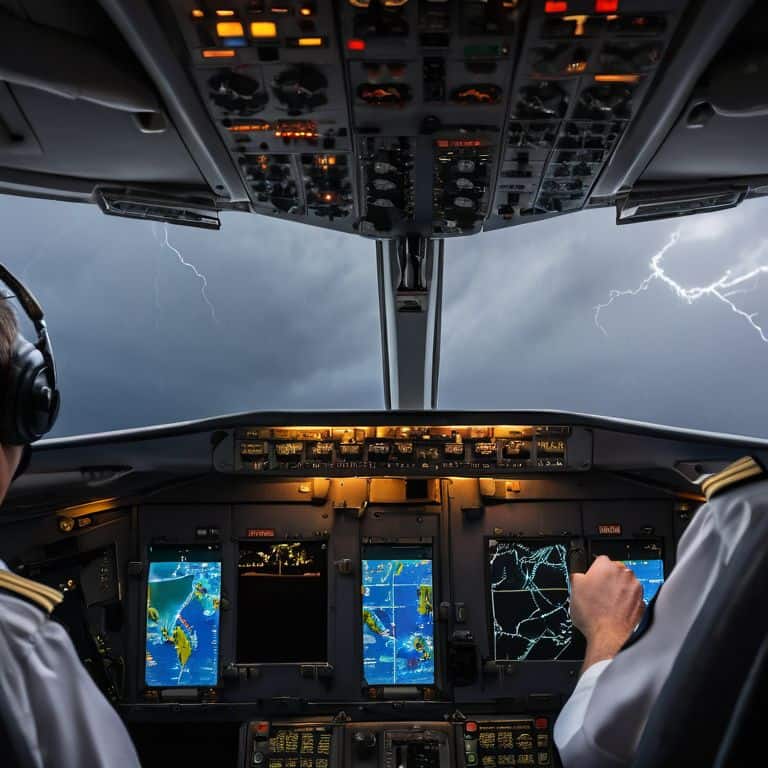
I still remember the first time I stepped into an airport control tower as a young pilot. The role of the airport control tower was a mystery to me, but as I watched the controllers at work, I was struck by the complexity and precision of their job. It wasn’t just about waving planes in and out – it was a carefully choreographed dance, with every move planned and executed with military precision. As I learned more about the tower’s operations, I realized that there’s a lot more to it than just giving clearances and instructions.
In this article, I’ll take you behind the scenes and show you the nuts and bolts of how the airport control tower really works. I’ll share my own experiences as a pilot and flight instructor, and break down the key concepts into simple, easy-to-understand language. My goal is to give you a clear understanding of the role of the airport control tower, without resorting to jargon or technical mumbo-jumbo. By the end of this guide, you’ll have a solid grasp of how the tower operates, and a new appreciation for the men and women who keep our skies safe and efficient.
Table of Contents
The Role of the Airport Control Tower
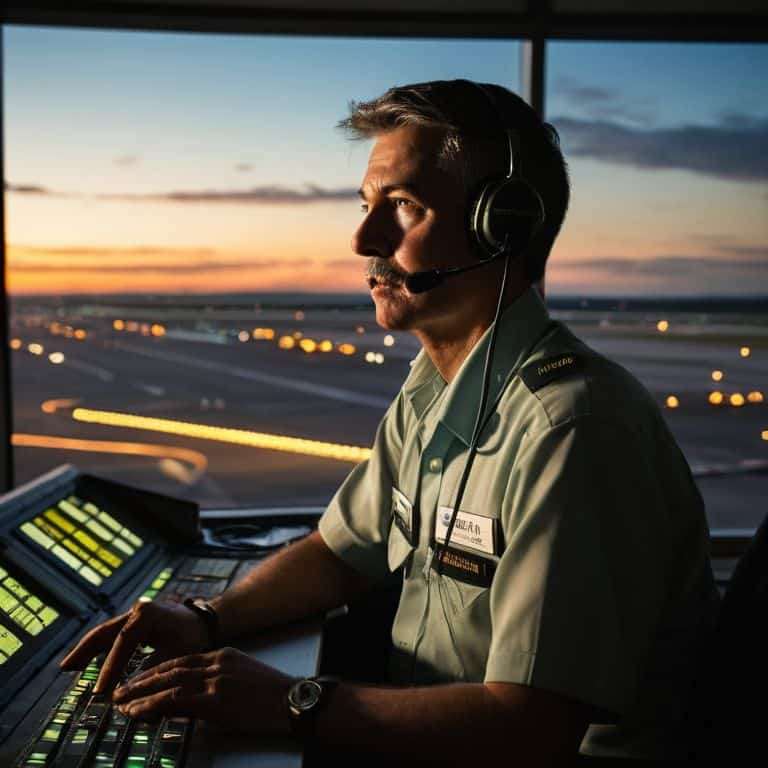
As I reflect on my days as a bush pilot in Alaska, I realize that the airport control tower was often the unseen guardian of our safe takeoffs and landings. The air traffic controller training these individuals undergo is rigorous, preparing them to multitask with ease, ensuring seamless communication between pilots, ground crews, and other stakeholders. This training is crucial in maintaining the delicate balance of airport operations.
Within the control tower, airport communication systems play a vital role in facilitating the exchange of critical information. From clearances to weather updates, these systems are the backbone of air traffic management. The architecture of the control tower itself is also designed with functionality in mind, providing an unobstructed view of the airfield and surrounding areas. This design, coupled with airfield safety procedures, helps to minimize risks and ensure the smooth operation of flights.
The integration of air traffic management software into daily operations has further enhanced the efficiency of airport control towers. This technology, combined with effective airport operations management, enables controllers to make informed decisions quickly, adapting to changing weather conditions or unexpected events. By understanding how these elements work together, we can appreciate the complexity and importance of the work done by air traffic controllers every day.
Air Traffic Controller Training Insights
As I reflect on my own experiences as a flight instructor, I’ve come to appreciate the rigorous training that air traffic controllers undergo. It’s a challenging process that requires a unique blend of technical knowledge, situational awareness, and clear communication. From my observations, it’s clear that controllers must be able to think on their feet, making quick decisions that prioritize safety above all else.
Through my interactions with controllers, I’ve gained insight into the importance of scenario-based training, which simulates real-world situations to prepare them for the unexpected. This type of training helps controllers develop the critical thinking skills needed to manage complex air traffic situations, and it’s an approach that I believe can be applied to many other areas of life, including my own hobby of building scale models.
Airport Communication Systems Explained
When it comes to managing air traffic, effective communication is paramount. The airport control tower relies on a complex network of communication systems to ensure safe and efficient operations. This includes radio frequencies, phone lines, and even digital messaging systems. As a flight instructor, I’ve seen firsthand how clear communication can make all the difference in a high-pressure situation.
In the tower, clear voice commands are used to direct pilots and air traffic controllers alike. This is where the art of communication meets the science of air traffic control, and it’s a delicate balance that requires precision and attention to detail. By understanding how these communication systems work, we can appreciate the remarkable coordination that takes place behind the scenes of every flight.
Tower Operations Management
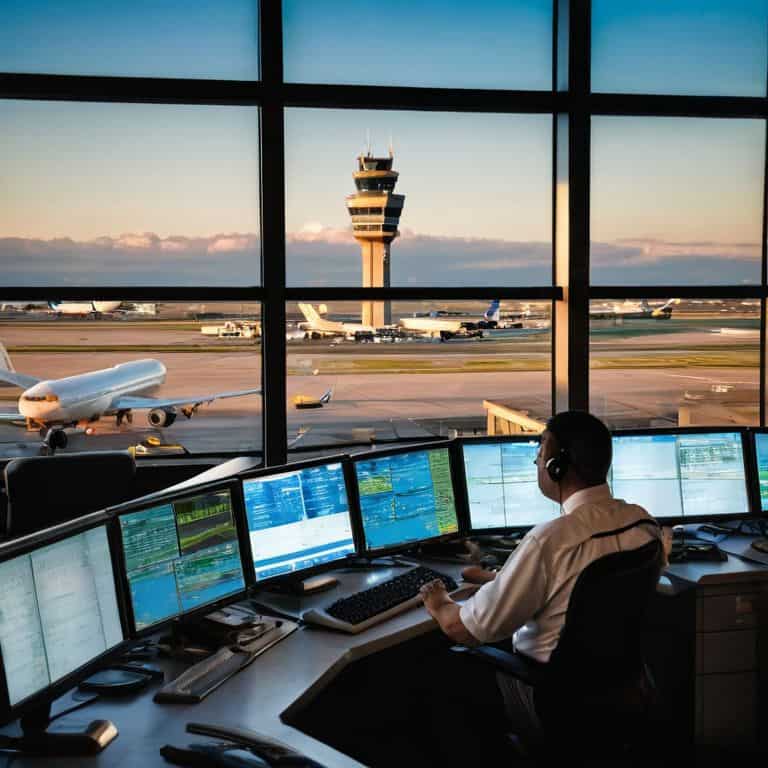
When it comes to managing the day-to-day operations of an airport control tower, air traffic management software plays a vital role. This software helps air traffic controllers to efficiently manage the flow of air traffic, ensuring that planes are safely guided to their destinations. As a flight instructor, I can attest that understanding how to use this software is a crucial part of air traffic controller training.
Effective airport operations management requires a deep understanding of the control tower’s architecture and how it supports the air traffic control process. The control tower’s design enables air traffic controllers to have a clear view of the airfield, which is essential for implementing airfield safety procedures. By combining this visual information with data from air traffic management software, controllers can make informed decisions to ensure the safe movement of aircraft.
In the control tower, air traffic controllers rely on airport communication systems to coordinate with pilots and other stakeholders. This includes using radios, radar systems, and other tools to guide planes through takeoff, landing, and taxiing. By understanding how these systems work together, air traffic controllers can provide clear instructions to pilots, helping to prevent misunderstandings and ensure smooth operations.
Air Traffic Management Software Essentials
As we delve into the world of air traffic management, it’s essential to understand the role of sophisticated software in streamlining tower operations. These programs enable controllers to track flights, manage air traffic flow, and make data-driven decisions to ensure safe and efficient operations.
Effective air traffic management relies on real-time data analysis, allowing controllers to respond quickly to changes in air traffic patterns, weather conditions, and other factors that may impact flight safety. By leveraging these advanced tools, controllers can optimize air traffic flow, reduce congestion, and minimize delays.
Control Tower Architecture and Safety
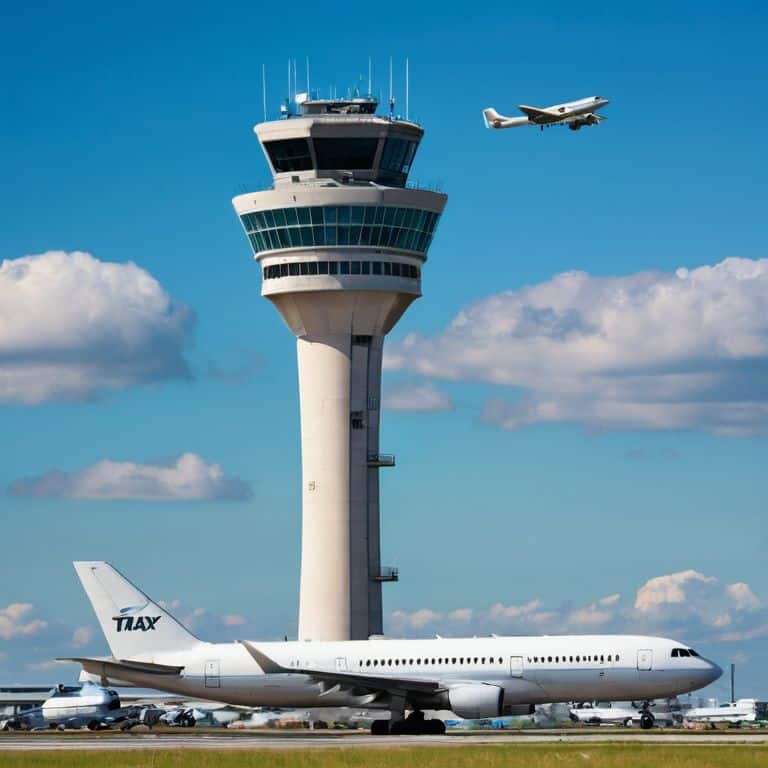
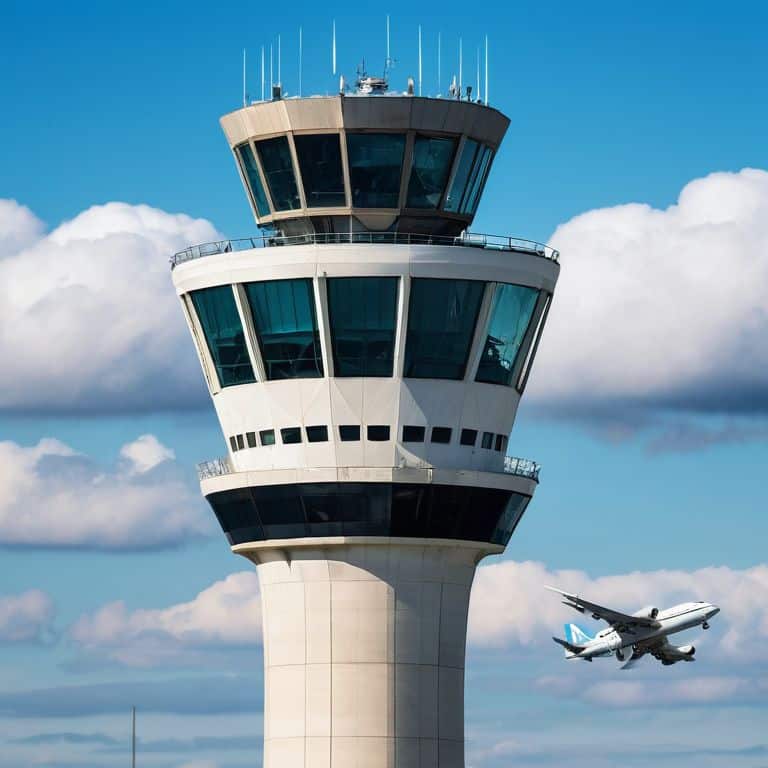
When it comes to the physical structure of the control tower, safety is paramount. The tower’s design allows for maximum visibility, with large windows and a elevated position to provide an unobstructed view of the airfield. This enables air traffic controllers to monitor and direct aircraft movements with precision.
The control tower’s internal layout is also carefully planned to minimize distractions and optimize workflow, with ergonomic workstations designed to reduce fatigue and improve focus. This attention to detail is crucial in ensuring the smooth operation of the tower and the safety of air traffic.
Navigating the Skies: 5 Key Tips on the Role of the Airport Control Tower
- Understand the Air Traffic Controller’s Perspective: Recognizing the importance of clear communication and situational awareness in managing air traffic
- Know Your Airport’s Layout: Familiarizing yourself with the airport’s runway configuration, taxiways, and surrounding airspace to appreciate the control tower’s role in navigation
- Appreciate the Technology: Learning about the air traffic management software and tools used by control towers to efficiently manage traffic and ensure safety
- Respect the Protocol: Understanding the standard operating procedures and checklists that air traffic controllers follow to maintain order and safety in the skies
- Stay Weather Aware: Recognizing how meteorological conditions impact air traffic control decisions and the importance of collaboration between controllers and meteorologists for safe flight operations
Key Takeaways from the Airport Control Tower Guide
Air traffic controllers undergo rigorous training to manage the flow of air traffic, ensuring safe distances between planes and efficient takeoff and landing schedules
Effective communication systems, including radio transmissions and digital messaging, are crucial for coordinating air traffic and preventing accidents
Control tower operations management relies on a combination of skilled personnel, advanced software, and robust safety protocols to maintain the smooth operation of air traffic
Navigating the Skies
The airport control tower is the heartbeat of any airport, pulsing with the rhythm of safe and efficient flight operations – a symphony of coordination, communication, and control that keeps the skies safe for all of us.
Daniel Sato
Conclusion: The Heart of Air Travel
As we conclude our exploration of the airport control tower’s role, let’s summarize the key points we’ve covered. From air traffic controller training insights to the airport communication systems that keep everything running smoothly, it’s clear that the control tower is the nerve center of any airport. We’ve also delved into tower operations management, including the importance of control tower architecture and safety, as well as the essential role of air traffic management software. By understanding these components, we can appreciate the complexity and precision required to ensure safe and efficient air travel.
As we take to the skies, either as pilots or passengers, let’s not forget the unsung heroes working tirelessly in the control tower. Their dedication to safety and efficiency is what makes air travel possible, and their story is a testament to the power of human ingenuity and collaboration. So the next time you hear the voice of an air traffic controller guiding a plane to safe landing, remember the intricate dance of technology, training, and teamwork that makes it all possible, and let’s appreciate the magic of flight from a new perspective.
Frequently Asked Questions
What are the primary responsibilities of air traffic controllers in the airport control tower?
As a flight instructor, I break it down simply: air traffic controllers in the tower are responsible for safely guiding planes on the ground and in the air, using clear communication and specialized tools to prevent collisions and ensure efficient flow. Think of them as the conductors of the airport, orchestrating every move.
How do airport control towers handle emergency situations, such as a plane experiencing engine failure?
In emergency situations, like engine failure, airport control towers spring into action. They follow strict protocols, prioritizing safety above all. Controllers quickly assess the situation, alerting emergency services and guiding the pilot through procedures to ensure a safe landing or diversion to a nearby airport. It’s a well-rehearsed dance, with every step carefully choreographed to minimize risk.
What kind of technology and equipment do airport control towers use to track and manage air traffic?
Let’s take a look at the tech behind the tower. Air traffic controllers use advanced radar systems, computer screens, and communication equipment to track and manage air traffic. They also rely on automated systems like Automatic Dependent Surveillance-Broadcast (ADS-B) and instrument landing systems to ensure safe takeoffs and landings.