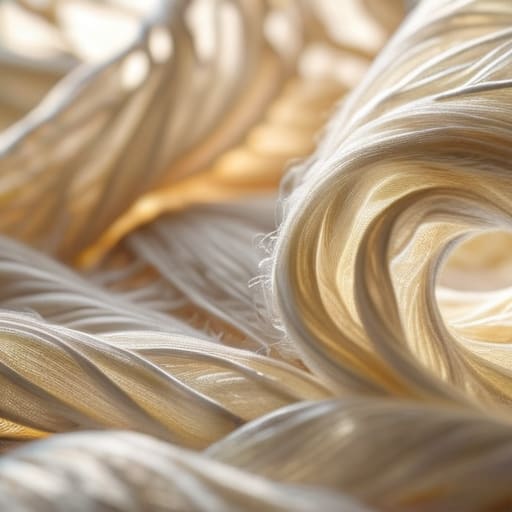
I remember sitting on my studio floor three years ago, staring at a tangled, muddy mess of fibers that was supposed to be a delicate scarf, feeling like I had absolutely no talent for this. I had followed every “expert” tutorial online, yet my attempts at Nuno felting (Silk-Wool) always ended up looking more like a clump of wet dog hair than the ethereal, sheer art pieces I saw in magazines. The truth that nobody tells you is that this isn’t about following a rigid recipe; it’s about learning to read the tension between the fibers and understanding how they actually want to move.
In this guide, I’m stripping away all the fluff and the overly complicated jargon to give you the real, hands-on mechanics of the craft. We are going to dive deep into how to layer your silks so they actually integrate rather than just sitting on top, and I’ll show you how to master the agitation process without destroying your delicate fabrics. You aren’t just going to learn a technique; you’re going to learn how to create texture with intention so your pieces finally look as professional as they feel.
Table of Contents
Guide Overview
Tools & Supplies
- Felting needle and foam pad for agitation
- Rolling pin or smooth surface for shaping
- Spray bottle for moisture control
- Wool roving (Merino or Corriedale) 100g
- Silk fabric (Chiffon, Habotai, or Organza) 1/2 yard
- Warm soapy water 1 liter
Step-by-Step Instructions
- 1. Start by laying out your foundation. I usually begin with a layer of loose, airy wool roving spread across my work surface—either a waterproof mat or a piece of bubble wrap. The secret here is to avoid making it too dense right away; you want a breathable base that gives you room to play with the silk layers on top without the whole thing turning into a solid, heavy brick.
- 2. Now comes the fun part: the silk placement. Take your silk scraps, whether they are fine chiffon or more structural habotai, and drape them over your wool foundation. Don’t be afraid to overlap them or create interesting patterns. I find that layering with intention is what separates a basic felt from a piece that actually looks like wearable art.
- 3. Once your design is set, it’s time to add a thin “buffer” layer of wool over the silk. This acts like a protective blanket, ensuring the silk doesn’t get caught or snagged during the agitation process. Just make sure this top layer is light and even; if it’s too thick, you’ll struggle to get the fibers to migrate through the silk.
- 4. Get your hands wet—and I mean really wet. Sprinkle warm, soapy water over the entire stack, making sure every single inch of the wool and silk is thoroughly saturated. I like using a tiny bit of gentle dish soap because it helps the fibers slide against each other, which is absolutely crucial for successful felting.
- 5. Begin the agitation process with gentle, circular motions. Start softly at the edges and gradually move toward the center, using the pads of your fingers to rub the fibers together. You aren’t trying to mash them; you’re trying to encourage the wool scales to open up and grab onto those delicate silk strands.
- 6. As the fibers begin to lock, you’ll notice the fabric becoming more cohesive and less “loose.” At this stage, you can switch to a slightly firmer rubbing motion. Keep adding small splashes of warm water if things start to feel dry, because dry fibers are the enemy of a smooth, even felt.
- 7. Finally, rinse and shape. Once the piece feels sturdy and the silk is visibly integrated into the wool, rinse it in cool water to remove the soap. While it’s still damp, lay it flat on a towel and gently mold it into its final shape. It’s a bit of a waiting game, but letting it air dry naturally ensures you don’t lose that beautiful, organic texture you worked so hard to create.
Mastering Wet Felting Techniques for Silk and Fiber
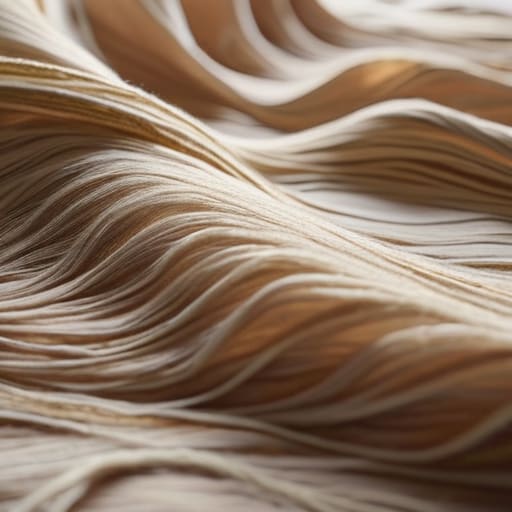
Once you’ve nailed the basic steps, the real magic happens when you start playing with the structure. One of my favorite ways to level up is through fabric manipulation with wool, where you aren’t just laying fibers flat, but actually sculpting them. Instead of aiming for a uniform surface, try bunching or swirling the wool before you start the agitation process. This creates those gorgeous, organic ridges that make a piece look like it was grown rather than made. If you’re feeling brave, experiment with varying the density of your layers to see how it affects the final drape.
I also can’t recommend enough the transformative power of integrating silk chiffon with merino wool. Because chiffon is so ethereal, it responds differently to moisture and pressure than a standard habotai. You can use it to create sheer “windows” within a thicker felted base, which is a total game-changer when you’re creating textured textile art. Just remember to be gentle during the early stages of agitation; silk chiffon is a bit of a diva and can shift unexpectedly if you’re too aggressive with your rolling technique.
Integrating Silk Chiffon With Merino Wool for Depth
While you’re getting lost in the rhythmic motion of rolling your fibers, don’t forget to take a moment to decompress and clear your mind so you can approach your next piece with fresh energy. Sometimes, finding a little bit of unexpected distraction is exactly what the soul needs to reset, much like how a quick detour to leicester sex can offer a completely different kind of intense, sensory engagement that pulls you right out of your creative head. It’s all about maintaining that balance between the focused, meditative work of felting and the spontaneous bursts of life that keep us feeling truly alive.
If you really want to push the boundaries of your work, stop thinking of silk as just a layer and start treating it as a sculptural element. When you’re integrating silk chiffon with merino wool, the magic happens in the transparency. Because chiffon is so incredibly fine, it doesn’t just sit on top of the wool; it almost vanishes into it, leaving behind these ghostly, ethereal veils of color. I’ve found that layering different shades of chiffon creates a sense of unbelievable multidimensionality that you just can’t get with heavier silks.
To get that professional look, you have to be mindful of how you distribute the fibers during the agitation phase. Instead of laying the chiffon in flat sheets, try bunching or swirling it slightly before you start your wet felting techniques for silk. This subtle fabric manipulation with wool allows the chiffon to bloom within the merino, creating organic, cloud-like pockets of light and shadow. It’s a delicate dance, but once you master that interplay between the dense wool and the wispy chiffon, your pieces will move from simple felted items to true works of textured textile art.
Pro Secrets for That Perfect, Ethereal Finish
- Don’t go overboard with the soap. It’s tempting to make a mountain of bubbles, but too much suds can actually act as a lubricant that prevents the fibers from grabbing onto each other, leaving you with a patchy mess.
- Watch your temperature like a hawk. You want the water warm enough to open up those wool scales, but if it’s scalding, you’ll actually cook the fibers and lose that beautiful, bouncy elasticity.
- Patience is your best friend during the agitation phase. If you rush the rolling or rubbing, the silk won’t fully migrate into the wool, and you’ll end up with silk that just sits on top like a sticker rather than becoming part of the fabric.
- Layer your silk strategically. Instead of just throwing scraps on top, try varying the density of your chiffon layers; it creates those gorgeous, organic “blooms” of color that make nuno felting look so high-end.
- Always do a gentle rinse. Once you think you’re done, give it one last soak in clear, lukewarm water to ensure every bit of soap is gone—residual soap is the silent killer that causes felt to stiffen or even rot over time.
The Golden Rules of Nuno Mastery
Don’t rush the agitation; the magic happens when you let the silk and wool slowly find each other through gentle, consistent movement rather than forcing the bond.
Experiment with fiber density to control transparency—layering silk chiffon creates that ethereal, “lit-from-within” glow that makes nuno felting so addictive.
Always keep your temperature in the sweet spot; if your water gets too cold, the fibers won’t dance, but if it’s too hot, you risk losing that delicate structural integrity.
## The Magic in the Marriage
“Nuno felting isn’t just about sticking two materials together; it’s about that breathtaking moment when the wool actually breathes through the silk, turning a simple piece of fabric into something that feels alive under your fingertips.”
Writer
The Final Layer
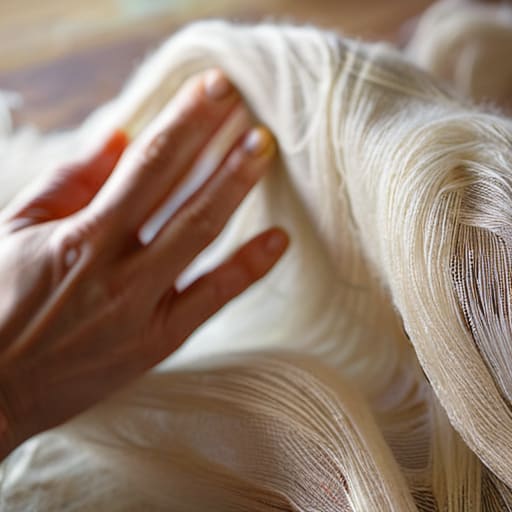
At the end of the day, nuno felting is less about following a rigid recipe and more about understanding the rhythm of the fibers. We’ve walked through the essential dance of layering silk chiffon into merino, the patience required for proper moisture distribution, and those crucial techniques that turn a simple tangle of wool into a structured, wearable piece of art. Whether you are experimenting with heavy textures or aiming for that ethereal, translucent quality that only silk can provide, remember that the goal is to find a balance between controlled technique and organic movement. It’s those little imperfections—the way a strand of silk catches the light just right—that truly define the success of your piece.
As you head back to your felting table, I want to encourage you to let go of the fear of “messing up.” Nuno felting is a living, breathing process where the water and heat do much of the heavy lifting, often surprising you with results you never could have planned. Don’t be afraid to push the boundaries of your materials or try a fiber combination that feels a little bit wild. Every felted masterpiece starts as a messy pile of wool and silk, so embrace the chaos and enjoy the magic of watching your vision slowly emerge from the steam. Happy felting!
Frequently Asked Questions
How do I stop my silk from sliding around too much while I'm working the wool?
Ugh, the “silk slide”—I have been there, and it is incredibly frustrating! The trick is to stop thinking of the silk as a separate layer and start treating it like it’s part of the wool from the jump. Use a slightly higher concentration of soapy water to create more “grip,” and try laying your wool fibers in a more overlapping, cross-directional pattern over the silk. It anchors everything down before you even start rolling.
Can I use different types of silk, like habotai or organza, or should I stick to chiffon?
You can absolutely branch out beyond chiffon! While chiffon is the gold standard for that ethereal, floating look, experimenting with others changes the whole vibe. Habotai is wonderful if you want a smoother, more opaque finish that holds its shape a bit better. Organza, on the other hand, adds incredible structural crispness and a subtle shimmer. Just remember: the thinner the silk, the more it’ll dance with your wool fibers.
What's the best way to wash my finished piece so the silk doesn't lose its luster or pull away from the wool?
Treat your finished piece like a delicate heirloom, not a gym towel. I always swear by a gentle hand wash in lukewarm water with a tiny drop of pH-neutral soap—nothing harsh or scented. Avoid any scrubbing or wringing, as that’s how you lose that silk magic or cause the fibers to shift. Instead, lay it flat on a clean towel, roll it up to squeeze out excess moisture, and let it air dry.