I still remember the first time I crunched the numbers on a budget airline’s balance sheet. It was during my tenure as a financial analyst for a major aerospace manufacturer, and I was tasked with evaluating the financial health of a popular low-cost carrier. As I delved deeper into the data, I realized that the conventional wisdom surrounding the business model of budget airlines was oversimplified. The assumption that cheap tickets were the primary driver of their success didn’t hold up to scrutiny. There were more nuanced factors at play, and I became determined to understand the intricacies of their operations.
As someone who’s spent years pouring over financial reports and attending shareholder meetings, I’m excited to share my insights with you. In this article, I’ll provide a no-nonsense look at the inner workings of budget airlines, separating fact from fiction and hype from reality. I’ll dive into the key performance indicators that truly matter, such as fleet age and on-time performance, and explain how these metrics impact their bottom line. My goal is to empower you with a deeper understanding of the business model of budget airlines, so you can make informed decisions as an investor or enthusiast.
Table of Contents
- Budget Airlines Profit Code
- The Business Model of Budget Airlines
- Flying High on Thin Margins: 5 Key Tips for the Budget Airline Business Model
- Key Takeaways from the Budget Airlines Business Model
- Unlocking the Secret to Budget Airlines' Success
- Unlocking the Skies: A New Era for Budget Airlines
- Frequently Asked Questions
Budget Airlines Profit Code
To truly understand the success of budget airlines, one must delve into their operational efficiency in aviation. This is where the magic happens, and these airlines are able to offer low fares without sacrificing profitability. By streamlining their operations and focusing on point to point route networks, they’re able to reduce costs and increase revenue.
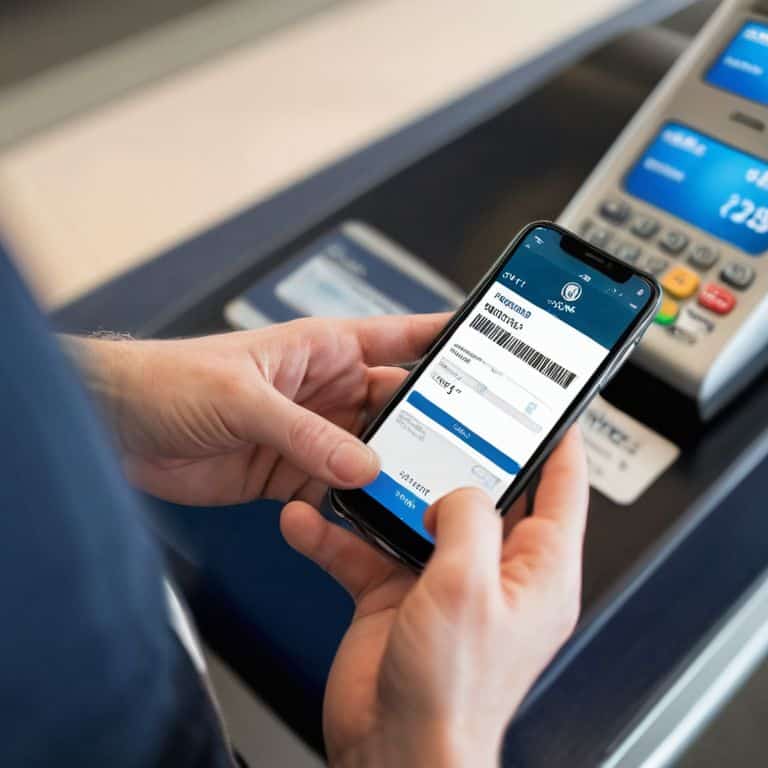
A key component of the budget airline strategy is the implementation of ancillary revenue streams. This can include anything from charging extra for checked bags to offering in-flight meals and snacks. By providing these additional services, budget airlines are able to increase their average revenue per user, making up for the lower fares. It’s a clever tactic that has proven to be highly effective in the industry.
The low cost carrier business strategy is all about finding ways to reduce costs without compromising on service. This can include airline cost reduction techniques such as outsourcing certain operations or using more fuel-efficient aircraft. By combining these cost-saving measures with effective budget airline marketing tactics, budget airlines are able to attract price-sensitive customers and maintain a loyal customer base.
Ancillary Revenue Streams Unlocked
As I delve into the financials of budget airlines, it becomes clear that their success is largely driven by diversified revenue streams. By unbundling services and charging extra for amenities like checked bags, meals, and seat selection, these airlines have managed to increase their average revenue per user.
The key to their profitability lies in maximizing ancillary revenue, which can account for up to 30% of their total revenue. This strategy allows budget airlines to maintain low base fares while still generating significant income from add-on services, making them highly competitive in the market.
Operational Efficiency in Aviation
As I delve into the world of budget airlines, I notice that operational efficiency is crucial for their success. By streamlining their operations, these airlines can reduce costs and increase productivity. This, in turn, enables them to offer lower fares to their customers while maintaining a profitable business model.
To achieve this efficiency, budget airlines focus on simplifying their fleet management. By operating a single type of aircraft, they can reduce maintenance and training costs, making their operations more cost-effective. This approach allows them to allocate resources more efficiently and respond quickly to changes in the market.
The Business Model of Budget Airlines

As I delve into the low cost carrier business strategy, it becomes clear that budget airlines have mastered the art of operational efficiency in aviation. By streamlining their operations and minimizing costs, these airlines are able to offer competitive fares while maintaining a profit margin. One key aspect of this strategy is the implementation of point to point route networks, which reduces the need for hub-and-spoke systems and subsequently lowers costs.
Budget airlines have also become adept at unlocking ancillary revenue streams, such as charging extra for checked bags, food, and drinks. This approach allows them to keep base fares low while generating additional revenue through add-ons. By leveraging airline cost reduction techniques, budget airlines are able to maintain a lean cost structure and invest in areas that drive revenue growth.
The success of budget airlines can be attributed to their focus on budget airline marketing tactics, which emphasize value and convenience. By targeting price-sensitive customers and offering a no-frills experience, budget airlines are able to fill their planes and maintain high load factors. As an investor, it’s essential to understand the intricacies of the low cost carrier business strategy and how it contributes to the airline’s overall financial performance.
Low Cost Carrier Strategy Revealed
As I delve into the world of budget airlines, I’ve come to realize that their success can be attributed to a well-executed strategy. By focusing on cost reduction and efficient operations, these airlines are able to offer lower fares without sacrificing profitability. This approach has allowed them to capture a significant market share, making them a force to be reckoned with in the aviation industry.
A key factor in their strategy is optimizing routes, which enables them to minimize costs and maximize revenue. By carefully selecting routes with high demand and limited competition, budget airlines are able to maintain a competitive edge and attract price-sensitive customers.
Point to Point Route Networks Optimized
As I delve into the route networks of budget airlines, I notice a trend towards point-to-point connections, eliminating the need for hub-and-spoke models. This strategy allows for greater flexibility and reduced costs, as airlines can operate with fewer crew members and less complex logistics.
By optimizing their route networks, budget airlines can achieve higher asset utilization, keeping their planes in the air for longer periods and maximizing revenue-generating hours. This approach also enables them to respond quickly to changes in demand, making adjustments to their schedules and routes as needed to maintain profitability.
Flying High on Thin Margins: 5 Key Tips for the Budget Airline Business Model
- Focus on Operational Efficiency: Streamline your operations to minimize costs, from fuel consumption to staffing, to maintain profitability in a low-fare environment
- Diversify Ancillary Revenue Streams: Move beyond ticket sales by offering a range of extras, such as priority boarding, extra legroom, and in-flight meals, to boost average revenue per user
- Optimize Point-to-Point Route Networks: Analyze demand and competition to identify lucrative routes that can be operated efficiently, reducing the need for hub-and-spoke models and their associated costs
- Implement Dynamic Pricing Strategies: Use data analytics to adjust ticket prices in real-time based on demand, allowing for maximum revenue capture during peak periods and filling seats during off-peak times
- Monitor and Adapt to Changing Market Conditions: Keep a close eye on fuel prices, regulatory changes, and competitor activity to quickly respond to shifts in the market and maintain a competitive edge
Key Takeaways from the Budget Airlines Business Model
Budget airlines’ ability to generate significant revenue through ancillary services, such as checked baggage fees and in-flight meals, plays a crucial role in their profitability, with some carriers deriving up to 30% of their total revenue from these streams
Operational efficiency, including optimizing route networks and maintaining a modern, fuel-efficient fleet, is essential for budget airlines to maintain low costs and competitive pricing, with on-time performance and fleet age being key indicators of an airline’s financial health
By adopting a low-cost carrier strategy, budget airlines can achieve significant cost savings by eliminating frills, streamlining operations, and leveraging point-to-point route networks, ultimately allowing them to offer cheaper tickets to price-sensitive customers while maintaining profitability
Unlocking the Secret to Budget Airlines' Success
The key to a budget airline’s prosperity isn’t just about cutting costs, but about cleverly calibrating their entire business model to maximize ancillary revenue streams, optimize operational efficiency, and create a self-reinforcing cycle of low fares and high demand.
Edward Finch
Unlocking the Skies: A New Era for Budget Airlines

As I reflect on the business model of budget airlines, it’s clear that their success is rooted in a combination of ancillary revenue streams, operational efficiency, and a keen understanding of their target market. The implementation of low-cost carrier strategies, point-to-point route networks, and a focus on customer experience have all contributed to their ability to thrive in a competitive industry. By analyzing the numbers and trends, it becomes apparent that budget airlines have cracked the code on high-flying profit machines, and their influence will only continue to shape the aviation landscape.
As we look to the future, it’s exciting to consider the innovations that will emerge in the budget airline sector. With advancements in technology and a growing demand for affordable air travel, the possibilities for disruption and growth are vast. As an investor and enthusiast, I’m eager to see how these developments unfold, and I’m confident that by staying focused on the fundamentals and long-term trends, we can navigate the skies of opportunity and uncover new avenues for success.
Frequently Asked Questions
How do budget airlines maintain profitability despite offering low fares?
I’ve analyzed the financials, and it’s clear: budget airlines leverage ancillary revenue streams, such as baggage fees and in-flight purchases, to offset low ticket prices. Additionally, their focus on operational efficiency, including optimized route networks and high aircraft utilization, helps keep costs in check, ultimately driving profitability.
What role do ancillary revenue streams play in the overall business model of budget airlines?
Ancillary revenue streams are a crucial component, accounting for up to 30% of budget airlines’ total revenue. Fees for checked bags, food, and seat selection all contribute, allowing airlines to maintain low base fares while boosting profitability. I’ve tracked this trend in my spreadsheet, and the data confirms: airlines with strong ancillary revenue streams tend to outperform their peers.
Can the operational efficiency of budget airlines be replicated by traditional carriers, or are there inherent limitations?
While traditional carriers can adopt some efficiency measures, fully replicating budget airlines’ operational efficiency is challenging due to their rigid cost structures and legacy systems. I’ve analyzed the numbers, and it’s clear that budget airlines’ lean operations and agile business models give them a significant edge in terms of cost savings and flexibility.