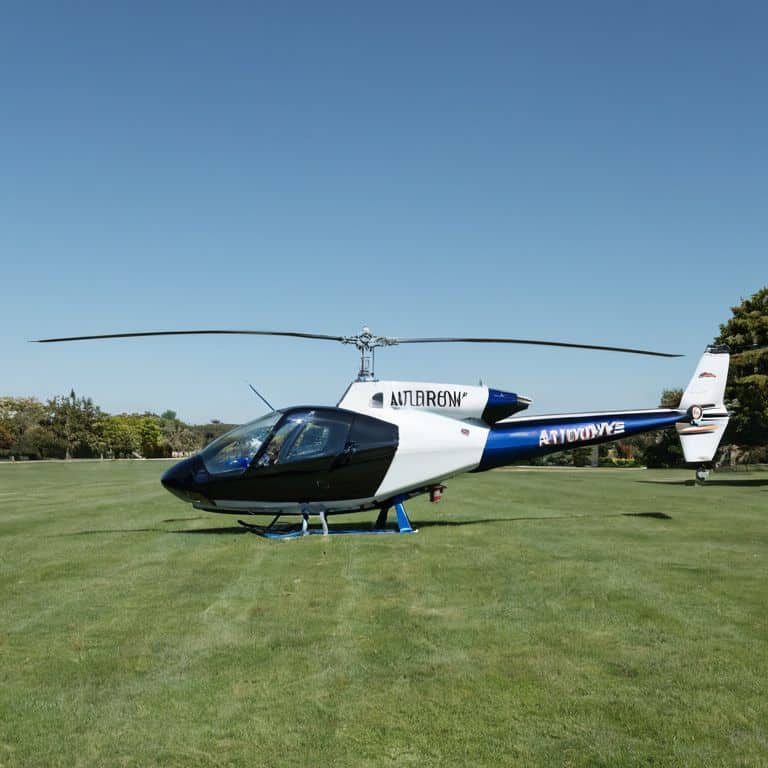
As I stand on the flight line, watching a helicopter and an autogyro take to the skies, I’m reminded of the age-old question that has puzzled many an aviation enthusiast: the difference between a helicopter and an autogyro. It’s a query that has sparked heated debates among pilots, engineers, and enthusiasts alike. But what’s often lost in the discussion is the fundamental understanding of how these two unique aircraft achieve flight. I’ve spent my career designing aircraft, and I’ve seen firsthand how a lack of clarity on this topic can lead to misconceptions and misunderstandings.
In this article, I promise to cut through the jargon and provide a no-nonsense explanation of the key differences between helicopters and autogyros. I’ll draw on my experience as an aerospace engineer to provide experience-based advice, focusing on the underlying principles of flight that make each aircraft tick. My goal is to empower you with a deep understanding of the science behind these machines, so you can appreciate the incredible engineering that goes into creating them. By the end of this journey, you’ll have a clear grasp of what sets helicopters and autogyros apart, and a newfound appreciation for the art of flight.
Table of Contents
Helicopter
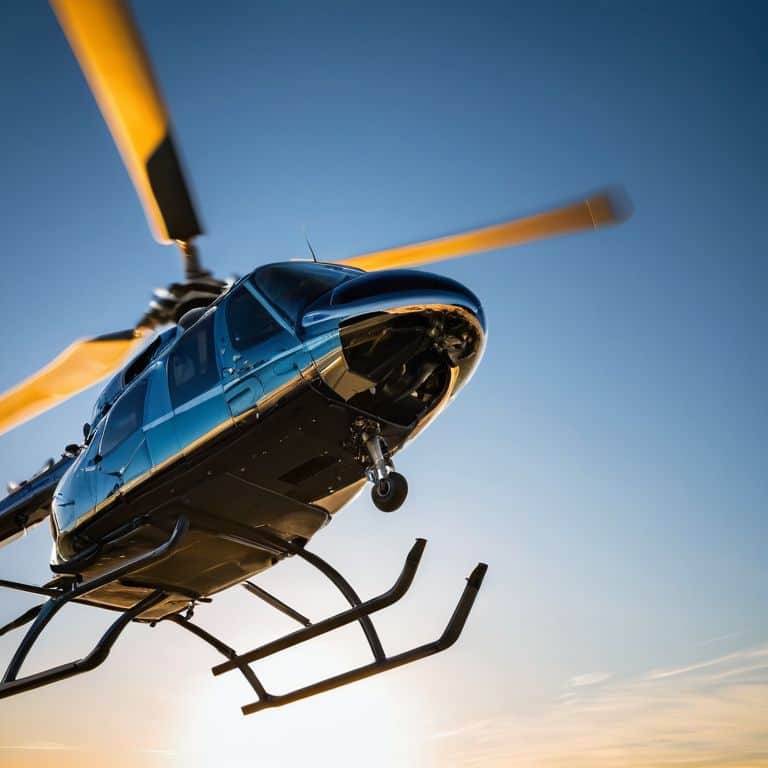
A helicopter is a type of rotorcraft that uses rotating blades to generate lift, allowing it to take off and land vertically, and its main selling point is the ability to hover in place. The core mechanism of a helicopter involves the rotation of blades, which creates a difference in air pressure above and below the blade, resulting in lift. This unique capability makes helicopters extremely versatile for various applications, including search and rescue, medical transport, and military operations.
As an aerospace engineer, I can attest that the technical benefit of a helicopter’s ability to hover has a significant impact on real-world operations. For instance, during search and rescue missions, helicopters can precisely maneuver in tight spaces, allowing them to reach areas that would be inaccessible to other aircraft. This capability is a testament to the incredible engineering that goes into designing these complex machines, and it’s a key aspect of what makes helicopters so fascinating to me. The combination of aerodynamic principles and innovative design has enabled helicopters to play a vital role in various industries, and their importance cannot be overstated.
Autogyro
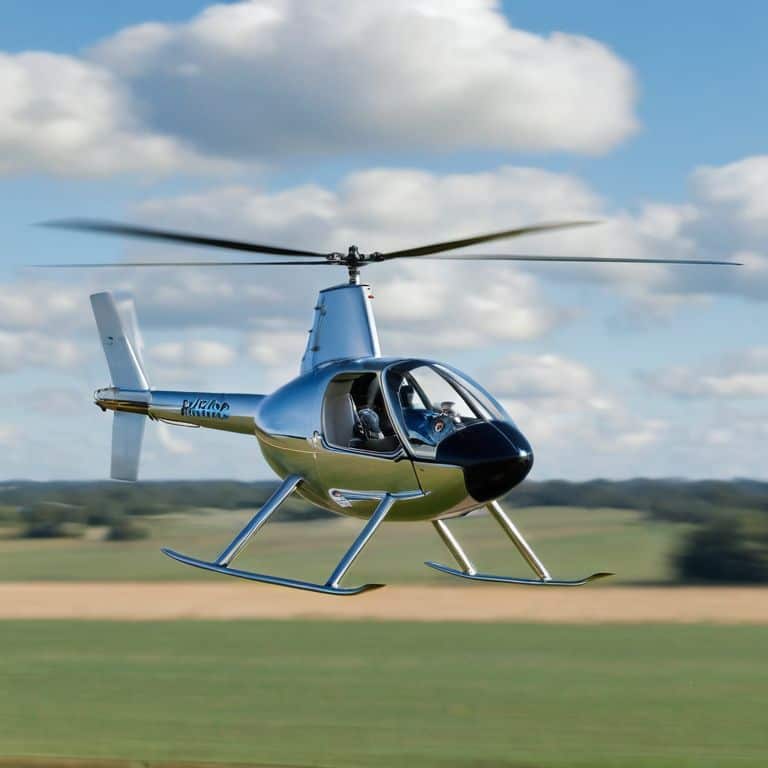
An autogyro, also known as a gyroplane, is a type of rotorcraft that uses an unpowered rotor to generate lift, and its main selling point is the ability to achieve high speeds while maintaining stability. The core mechanism of an autogyro involves the use of an unpowered rotor, which is driven by the airflow created by the aircraft’s forward motion, resulting in a significant reduction in power consumption. This unique design makes autogyros an attractive option for applications where fuel efficiency is crucial, such as in agricultural spraying or aerial surveying.
As someone who’s passionate about fluid dynamics, I find the autogyro’s ability to harness the power of airflow to generate lift truly captivating. The fact that an autogyro can achieve remarkable efficiency while maintaining a high level of stability is a testament to the ingenious design of these aircraft. In real-world applications, this translates to significant cost savings and increased productivity, making autogyros an excellent choice for various industries. The autogyro’s unique design has also inspired innovation in other areas of aerospace engineering, and its impact on the field cannot be ignored.
Head-to-Head Comparison: Helicopter vs Autogyro
| Feature | Helicopter | Autogyro |
|---|---|---|
| Price | $500,000 – $2 million | $200,000 – $500,000 |
| Key Feature | Lift and propulsion from rotor blades | Unpowered rotor for lift, separate engine for propulsion |
| Best For | Heavy lifting, long-range flights, rescue missions | Short-range flights, surveillance, personal transport |
| Speed | Up to 200 mph | Up to 150 mph |
| Control | Complex, requires significant training | Simpler, can be learned with less training |
| Safety | High, with multiple redundancies | Moderate, with some redundancies |
| Maintenance | High, frequent and complex maintenance | Lower, less frequent maintenance |
Unraveling Rotor Mysteries
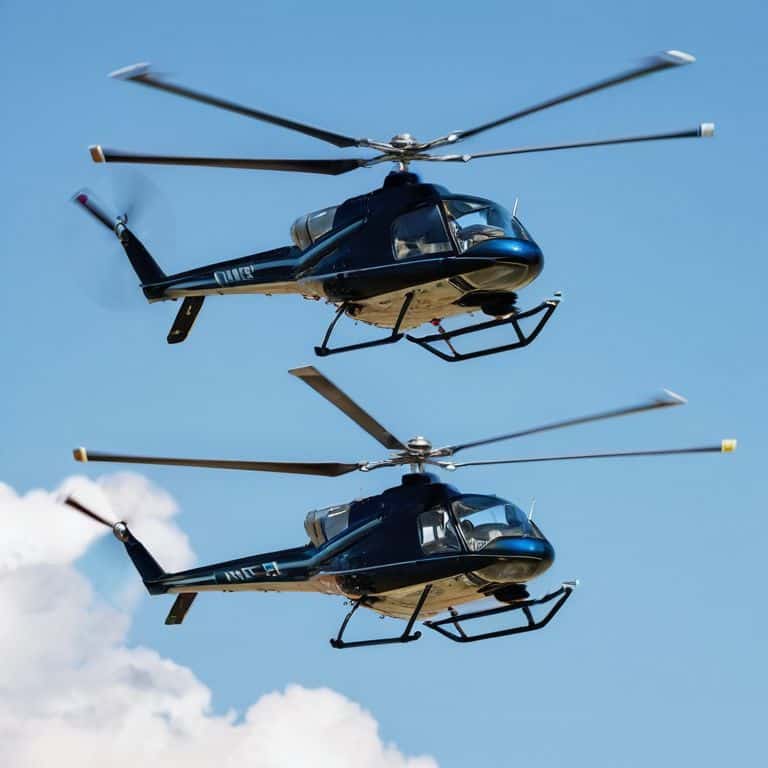
As we delve into the intricacies of rotor design, it becomes clear that understanding the differences between helicopters and autogyros is crucial for any aviation enthusiast. The way these aircraft generate lift and maintain control is a testament to human ingenuity and the principles of aerodynamics. In the context of “Unraveling Rotor Mysteries,” this criterion is critical because it directly impacts the overall performance, safety, and efficiency of these machines.
When comparing the rotors of helicopters and autogyros, it’s essential to consider the angle of attack and how it affects airflow. Helicopters have powered rotors that produce lift through a combination of angle of attack and rotor speed, allowing for precise control over the aircraft’s movement. In contrast, autogyros rely on unpowered rotors that generate lift through autorotation, a phenomenon where the rotor blades rotate due to the airflow created by the aircraft’s forward motion.
In practical terms, the design of the rotor has significant implications for the aircraft’s overall performance. Helicopters can hover and maneuver with ease, making them ideal for search and rescue operations or medical evacuations. Autogyros, on the other hand, are better suited for forward flight and can achieve higher speeds than helicopters. When it comes to “Unraveling Rotor Mysteries,” I would argue that helicopters have a slight edge due to their ability to precisely control the rotor’s angle of attack and speed, resulting in greater versatility and maneuverability.
Key Takeaways: Helicopters vs Autogyros
Helicopters and autogyros achieve lift and propulsion through distinct rotor mechanisms, with helicopters using powered rotors for both lift and thrust, and autogyros relying on unpowered rotors for lift and a separate propeller for forward motion
The design and functionality differences between helicopters and autogyros significantly impact their performance, safety, and operational characteristics, making each type suited for specific applications and environments
Understanding the fundamental principles of rotorcraft, including the interplay of aerodynamics, angular momentum, and control systems, is crucial for appreciating the unique strengths and limitations of both helicopters and autogyros, and for advancing the development of these remarkable aircraft
Unpacking the Essence of Rotorcraft
The difference between a helicopter and an autogyro isn’t just about design; it’s about fundamentally different approaches to defying gravity, where one relies on the mechanical brute force of powered rotors, and the other, on the elegant subtlety of aerodynamic Autogiro effect.
Simon Foster
The Final Verdict: Which Should You Choose?
As we conclude our in-depth comparison of helicopters and autogyros, it’s clear that both have their unique strengths and weaknesses. The efficiency of design in autogyros, leveraging unpowered rotors to generate lift, stands out as a remarkable example of aerodynamic innovation. Meanwhile, helicopters offer unparalleled maneuverability and control, making them a staple in rescue and precision operations. Our analysis has shown that while both can achieve remarkable feats, their applications and user bases tend to diverge significantly.
Ultimately, the choice between a helicopter and an autogyro depends on your specific needs and preferences. For those requiring precise control and maneuverability, such as rescue teams or filmmakers, a helicopter is likely the better choice. On the other hand, for enthusiasts of efficient flight and minimalist design, an autogyro offers a compelling alternative. As an aerospace engineer, I’m excited to see how these technologies continue to evolve and inspire new generations of engineers and aviation enthusiasts alike.
Frequently Asked Questions
What are the key advantages and disadvantages of helicopters compared to autogyros in terms of maneuverability and control?
When it comes to maneuverability and control, helicopters excel with their ability to hover and make sharp turns, but can be challenging to master. Autogyros, on the other hand, are more stable and easier to control, but lack the hover capability, making them better suited for forward flight and gentle turns.
How do the different rotor designs and configurations of helicopters and autogyros impact their overall efficiency and fuel consumption?
The rotor design is where helicopters and autogyros diverge significantly. Helicopters’ powered rotors constantly generate lift, whereas autogyros’ unpowered rotors autorotate, using rising air to produce lift. This fundamental difference impacts efficiency and fuel consumption, with autogyros generally requiring less power to achieve similar lift, resulting in better fuel economy, especially at lower altitudes and speeds.
In what scenarios or applications would an autogyro be a more suitable choice than a helicopter, and vice versa?
When it comes to short takeoffs and landings in tight spaces, helicopters reign supreme. However, autogyros shine in longer-range, low-altitude missions, such as aerial surveying or cargo transport, where their efficient autorotation and higher speeds offer a distinct advantage.