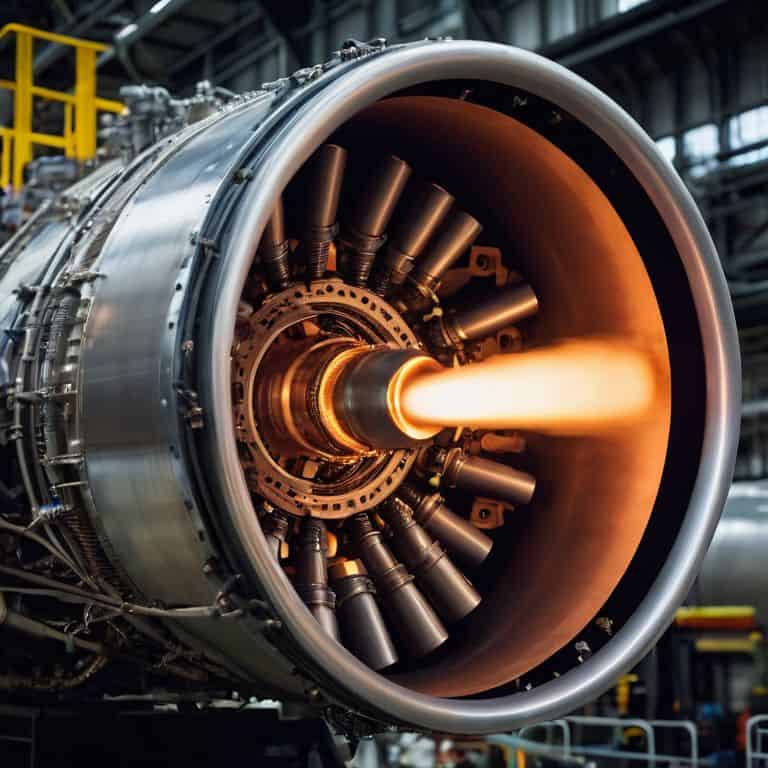
I still remember the smell of freshly cut composite materials and the sound of wind tunnels humming in the background as I worked on designing a new military aircraft. It was a challenging project, and I recall my colleagues and I would often discuss the complexities of aerodynamics and how they impacted our work. The challenges of modern military aircraft design are not just about creating a machine that can fly; it’s about crafting a system that can withstand extreme conditions while maintaining optimal performance. I’ve seen many designs fail due to a lack of understanding of the fundamental principles of flight, and it’s frustrating to see the same mistakes repeated over and over.
As someone who has spent years in the trenches of aircraft design, I want to share my experience and provide a no-nonsense look at the challenges of modern military aircraft design. In this article, I promise to cut through the hype and provide honest, experience-based advice on what it takes to create a successful military aircraft. I’ll delve into the key principles of aerodynamics and explain how they impact the design process, highlighting the importance of efficiency and performance. My goal is to demystify the complex technologies involved in modern military aircraft design and provide readers with a deeper understanding of the science behind flight.
Table of Contents
- Modern Flight Challenges
- Challenges of Modern Military Design
- Navigating the Skies: 5 Critical Tips for Modern Military Aircraft Design
- Key Takeaways in Modern Military Aircraft Design
- The Heart of the Matter
- Conclusion: Overcoming the Challenges of Modern Military Aircraft Design
- Frequently Asked Questions
Modern Flight Challenges
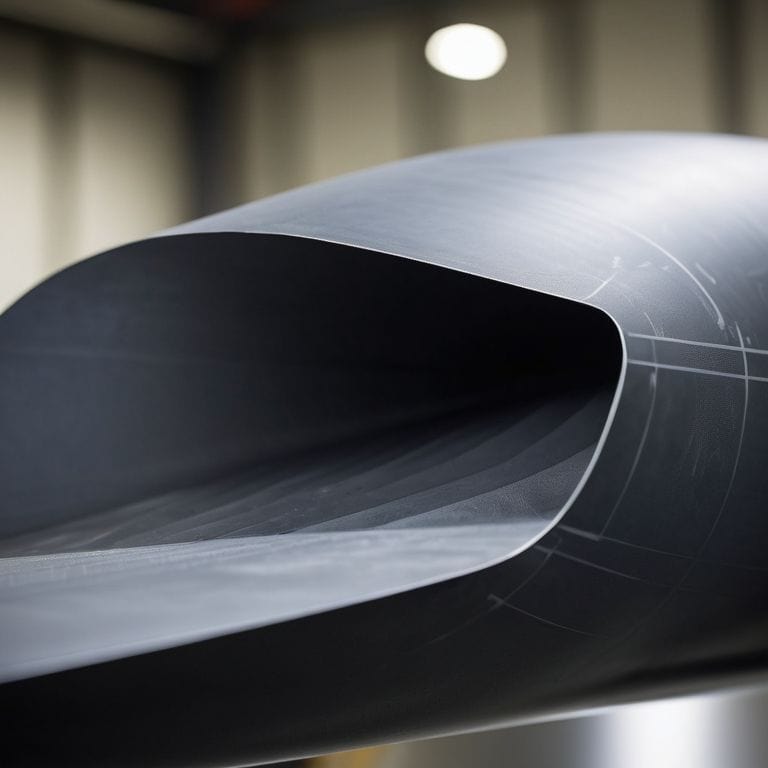
As I delve into the world of modern military aircraft design, I’m reminded of the aerodynamic challenges that come with pushing the boundaries of speed and stealth. The incorporation of advanced materials in aerospace engineering has been a game-changer, allowing for the creation of lighter, stronger aircraft that can withstand the intense forces of supersonic flight. However, this also introduces new complexities, such as the need for radar absorbent materials to maintain stealth capabilities.
The design of a fifth generation fighter jet is a prime example of these challenges in action. Not only must the aircraft be able to evade detection, but it must also be able to integrate electronic warfare systems seamlessly into its design. This requires a deep understanding of the interplay between aerodynamics, materials science, and electronics. As an engineer, I can appreciate the beauty of a well-designed system, where every component works in harmony to achieve a common goal.
In the pursuit of creating the ultimate flying machine, we must also consider the cybersecurity of modern avionics systems. With the increasing reliance on computer systems to control and navigate our aircraft, the risk of cyber threats becomes a very real concern. As I see it, the key to overcoming these challenges lies in a fundamental understanding of the underlying principles of flight and a willingness to push the boundaries of innovation. By embracing this mindset, we can unlock new possibilities and create aircraft that are not only faster and more agile but also safer and more secure.
Advanced Materials in Aerospace
As I delve into the realm of advanced materials in aerospace, I’m reminded of the significant impact they have on an aircraft’s overall performance. The use of lightweight yet incredibly strong materials like carbon fiber and titanium has revolutionized the way we design military planes. By leveraging these materials, engineers can create complex structures that withstand the intense stresses of supersonic flight.
The integration of smart materials is another area that holds tremendous promise. These materials can adapt to changing environmental conditions, such as temperature fluctuations, to maintain optimal performance. This technology has the potential to greatly enhance the efficiency and durability of military aircraft, making them more reliable and cost-effective in the long run.
Aerodynamic Enigma in Supersonic
As I delve into the world of supersonic flight, I’m reminded of the aerodynamic paradox that has puzzled engineers for decades. The need for speed is met with the challenge of managing heat and friction, which can be detrimental to an aircraft’s structure.
In supersonic flight, drag reduction becomes a critical factor, as it directly impacts the aircraft’s ability to achieve and maintain high speeds.
Challenges of Modern Military Design
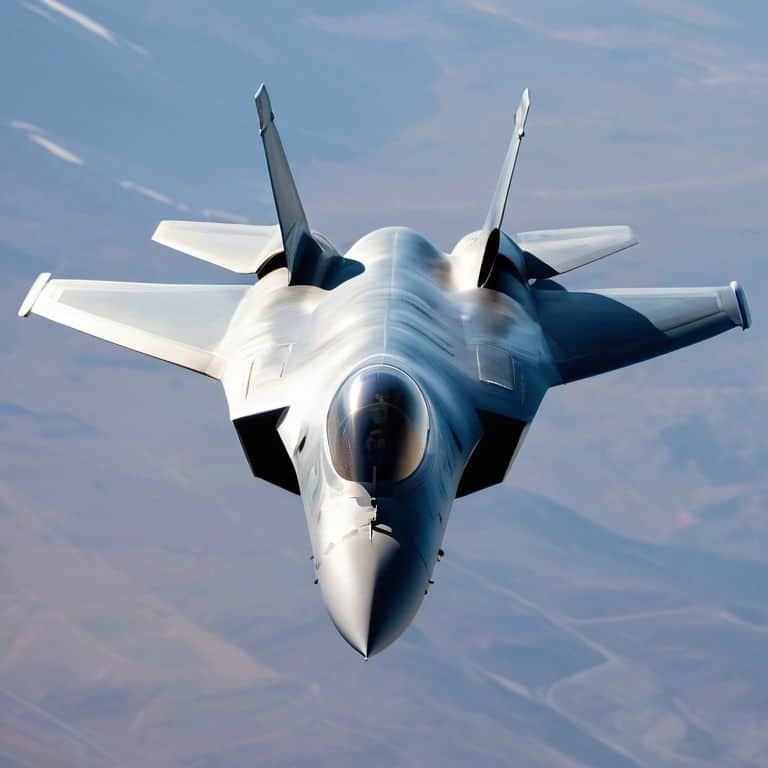
As I delve into the intricacies of modern military aircraft design, I’m reminded of the aerodynamic challenges in supersonic flight. These issues are compounded by the need for advanced materials that can withstand the intense stresses of high-speed flight. The use of fifth generation fighter jet design principles has become a benchmark for modern military aircraft, with a focus on creating sleek, aerodynamically efficient shapes that can evade detection.
The integration of electronic warfare systems has also become a critical component of modern military aircraft design. This requires careful consideration of the aircraft’s electromagnetic signature, as well as the use of radar absorbent materials for stealth. By minimizing the aircraft’s radar cross-section, designers can significantly reduce its visibility to enemy radar systems.
In addition to these considerations, modern military aircraft must also be designed with cybersecurity in modern avionics systems in mind. This involves implementing robust security protocols to protect against potential cyber threats, while also ensuring that the aircraft’s systems remain highly interconnected and efficient. By leveraging advanced materials in aerospace engineering, designers can create aircraft that are not only highly advanced but also exceptionally secure.
Cybersecurity in Avionics Systems
As I delve into the realm of avionics systems, I’m reminded of the crucial role cybersecurity plays in ensuring the integrity of our aircraft. With the increasing reliance on complex software and interconnected systems, the potential vulnerabilities are staggering. A single breach could compromise the entire system, putting lives at risk.
The aircraft’s digital backbone must be fortified with robust security measures to prevent such catastrophes. This includes implementing secure communication protocols, regularly updating software, and conducting thorough risk assessments to identify potential entry points for malicious actors.
Integrating Stealth With Radar Absorbent
As I delve into the realm of stealth technology, I’m reminded of the complexities involved in integrating stealth capabilities with radar absorbent materials. This is a crucial aspect of modern military aircraft design, where the goal is to minimize the radar cross-section of the aircraft. By using radar absorbent materials, designers can reduce the amount of radar energy that is reflected back to the radar antenna, making the aircraft more difficult to detect.
The key to successful integration lies in optimizing the design for both aerodynamic and stealth performance. This requires a deep understanding of the underlying physics and a careful balance of competing design requirements. By striking this balance, engineers can create aircraft that are not only difficult to detect but also highly maneuverable and efficient.
Navigating the Skies: 5 Critical Tips for Modern Military Aircraft Design

- Tackling the Aerodynamic Enigma: Consider the Interplay of Speed and Stealth in Supersonic Flight
- Material Mastery: Leveraging Advanced Composites to Enhance Durability and Reduce Weight
- Stealth Integration: Balancing Radar Absorbent Materials with Aerodynamic Performance
- Avionics Security: Implementing Robust Cybersecurity Measures to Protect Against Emerging Threats
- Systems Synergy: Optimizing the Intersection of Aerodynamics, Materials, and Electronics for Peak Performance
Key Takeaways in Modern Military Aircraft Design
I’ve learned from my experience that understanding the aerodynamic enigma in supersonic flight is crucial for designing efficient and effective military aircraft, where even slight miscalculations can lead to significant performance issues
The integration of advanced materials and stealth technology with radar absorbent materials is a complex challenge that requires meticulous engineering to ensure both the structural integrity and the stealth capabilities of the aircraft are maintained
Ensuring the cybersecurity of avionics systems is an often overlooked but critical aspect of modern military aircraft design, as the increasing reliance on digital systems creates new vulnerabilities that must be addressed through robust security measures and regular updates
The Heart of the Matter
The true challenge in designing modern military aircraft isn’t just about overcoming the aerodynamic enigma or integrating cutting-edge materials, but about harmonizing a myriad of complex systems into a symphony of precision, speed, and stealth, all while ensuring the safety of those who entrust their lives to these marvels of engineering.
Simon Foster
Conclusion: Overcoming the Challenges of Modern Military Aircraft Design
As I reflect on the complexities of modern military aircraft design, it’s clear that aerodynamic efficiency and advanced materials play a crucial role in shaping the future of flight. From the aerodynamic enigma in supersonic flight to the integration of stealth technology with radar absorbent materials, each challenge presents an opportunity for innovation. The cybersecurity of avionics systems is another critical aspect that requires meticulous attention to detail. By understanding these challenges, we can better appreciate the ingenuity that goes into designing and building these magnificent machines.
As we continue to push the boundaries of what is possible in military aircraft design, let us not forget the pioneering spirit that drives us to innovate. The pursuit of aerial superiority is not just about technological advancement; it’s about the people who dare to dream, to experiment, and to overcome the impossible. As an aerospace engineer and technical journalist, I am inspired by the brilliance of flight engineering and I hope to have inspired you to see the magic in the mechanics, to appreciate the science that keeps us safe in the sky, and to join me in the quest to demystify the complex technologies that will shape the future of aviation.
Frequently Asked Questions
How do modern military aircraft designers balance the need for stealth capabilities with the requirement for advanced radar and communication systems?
Balancing stealth with advanced radar and comms is a delicate dance. Designers must carefully integrate radar-absorbent materials with strategically placed antennas and sensors, all while minimizing electromagnetic visibility. It’s a constant trade-off between detection evasion and communication effectiveness, requiring meticulous simulation and testing to achieve optimal performance.
What are the most significant aerodynamic challenges faced by supersonic military aircraft, and how are they addressed through design and materials?
When designing supersonic military aircraft, I’ve found that managing shockwaves and friction is crucial. To address this, we use advanced materials like titanium and ceramic composites, which can withstand extreme temperatures. Additionally, sleek, angular designs help to reduce drag and mitigate the impact of shockwaves, enabling these aircraft to break the sound barrier with unprecedented efficiency.
In what ways do cybersecurity concerns impact the design and operation of modern military aircraft, particularly in relation to the use of advanced avionics systems?
As I’ve seen in my design work, cybersecurity concerns significantly impact modern military aircraft, particularly with advanced avionics systems. Hackers can potentially disrupt communication, navigation, and even flight control systems, compromising the entire mission. This has led to a new era of secure-by-design principles in avionics development.