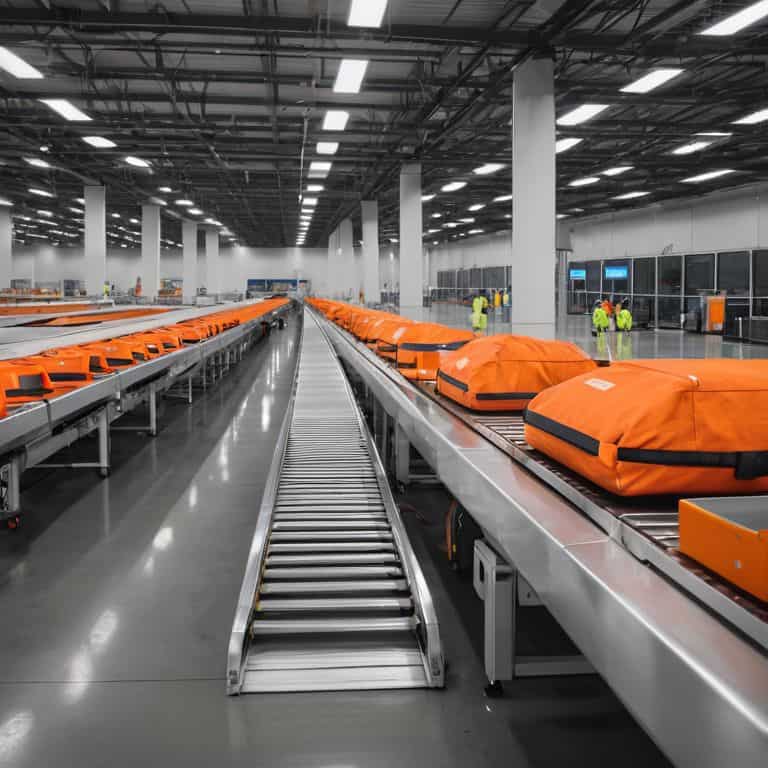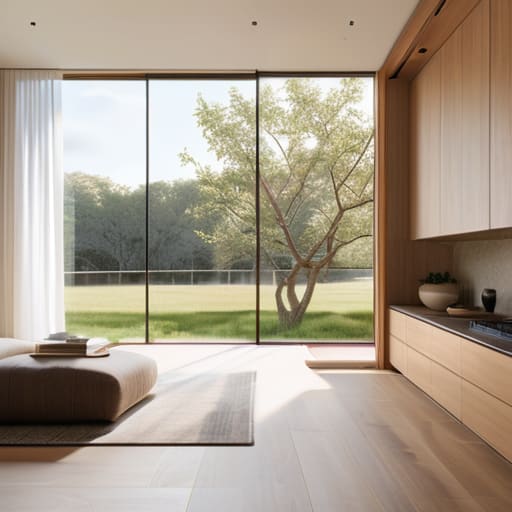
I spent three hours last Sunday staring at a mountain of mismatched Tupperware and tangled charging cables, and it hit me: most “organization hacks” you see on social media are absolute garbage. They focus on aesthetic bins and color-coded labels that look great in a filtered photo but fail the second you actually try to live in the space. If you’re looking for superficial ways to enhance home organization just to satisfy an Instagram algorithm, you’re wasting your time. Real efficiency isn’t about buying more plastic containers; it’s about optimizing the internal logistics of your living environment so that everything has a logical, repeatable flow.
I’m not here to sell you a lifestyle or a set of overpriced organizers. Instead, I’m going to apply the same systems-engineering principles I use to streamline airport ground operations to your living room. We’re going to look at your home as a high-performance network, identifying bottlenecks and implementing scalable structural changes that actually stick. I promise to provide nothing but no-nonsense, data-driven strategies to help you build a domestic infrastructure that works for you, not against you.
Implementing Minimalist Home Decluttering Tips for Streamlined Flow

When I’m looking at a chaotic living room, I don’t just see a mess; I see a bottleneck in the system. In aviation, if a hangar is filled with decommissioned parts, you can’t move the active fleet. Your home operates on the same principle. To fix this, I recommend applying minimalist home decluttering tips as a way to reduce “operational drag.” Start by auditing your high-traffic zones. If an object doesn’t serve a functional purpose or hold significant value, it’s essentially dead weight that’s slowing down your daily flow.
Once you’ve cleared the excess, the real fun begins: designing the architecture of your space. Instead of just shoving things into drawers, think about maximizing vertical storage space to free up your floor’s “runway.” I’m a huge advocate for using wall-mounted shelving and modular units; it’s the domestic equivalent of optimizing a terminal’s gate assignments. By shifting your focus from horizontal clutter to vertical efficiency, you create a streamlined environment where everything has a designated coordinate, making your home feel less like a storage unit and more like a high-performance machine.
Maximizing Vertical Storage Space to Optimize Living Infrastructure
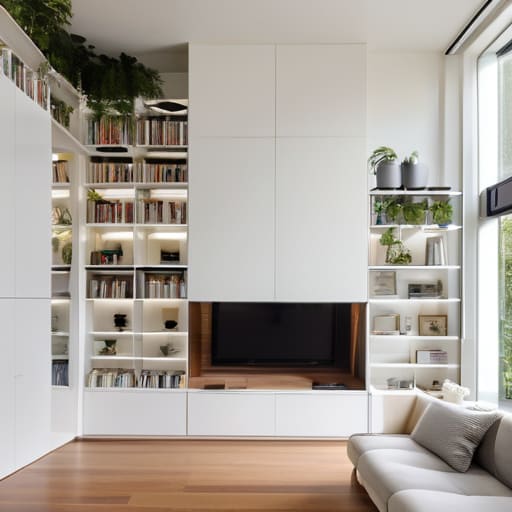
When I’m looking at an airport terminal layout, I’m rarely focused on the floor space; I’m looking at the volume. Most people treat their homes as two-dimensional planes, but if you want to truly optimize your living infrastructure, you have to think in three dimensions. Maximizing vertical storage space is essentially the residential equivalent of optimizing a cargo aircraft’s hold. By utilizing the “dead air” between your furniture and the ceiling, you can clear the visual noise from your floor level, creating a much smoother flow through your rooms.
I often suggest looking at your walls as untapped runways for efficiency. Instead of letting items pile up on surfaces, implement smart storage solutions for living rooms like floating shelves or modular wall-mounted units. In tighter environments, like a kitchen or a hallway, this approach is a game-changer. Integrating specialized closet organization systems or high-reaching shelving allows you to categorize items by frequency of use, much like how we prioritize high-turnover logistics in a hub airport. It’s about reclaiming the vertical dimension to ensure your home operates at peak capacity.
Engineering the Domestic Workflow: 5 Systems-Based Strategies for Peak Efficiency
- Establish “Zone-Based Logistics” to minimize transit time. Just as I wouldn’t store a ground crew’s toolkit in a different terminal from the runway, you shouldn’t have your coffee pods in the kitchen if your morning ritual happens in the home office. Group your items by their operational frequency and location to reduce the “friction” of daily tasks.
- Implement a “First-In, First-Out” (FIFO) inventory protocol for your pantry and supplies. In aviation logistics, we use this to prevent stock obsolescence; at home, rotating your goods ensures nothing gets lost in the back of a shelf to expire, effectively turning your kitchen into a high-turnover, zero-waste system.
- Adopt “Standardized Containerization” to optimize spatial density. Think of this like the way shipping containers revolutionized global trade—by using uniform, stackable bins, you eliminate the “dead air” that occurs with mismatched boxes, allowing you to maximize every cubic centimeter of your storage capacity.
- Create “Visual Management Systems” using clear labeling and color-coding. In a busy control tower, clarity is everything. By using transparent bins or subtle color-coded tags, you reduce the cognitive load required to find an item, making your home’s “operating manual” intuitive even for people who didn’t design the system.
- Schedule “Routine System Audits” to prevent entropy. Even the most sophisticated automated air traffic control systems require regular maintenance. Set a monthly “system check” to reassess your organization; if a particular storage solution is no longer serving its purpose or is causing a bottleneck, re-engineer it immediately rather than letting the chaos accumulate.
Finalizing Your Domestic Flight Plan
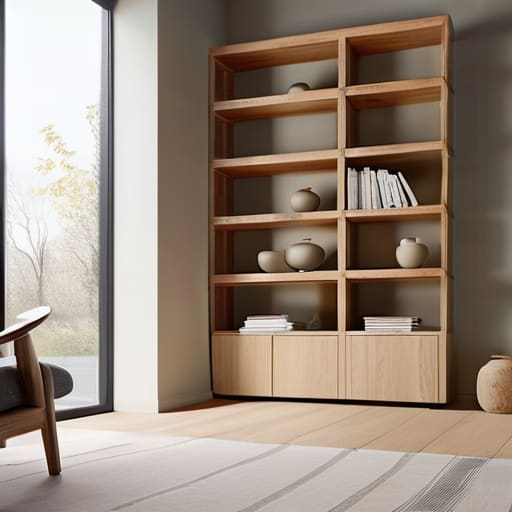
At its core, transforming your living space isn’t about buying more bins or fancy labels; it’s about applying the same systems-thinking principles I use when optimizing airport ground flows. By stripping away the excess through minimalist decluttering and strategically leveraging your vertical infrastructure, you are essentially reducing the “drag” in your daily life. You’ve moved from a state of chaotic, unmanaged inventory to a streamlined environment where every object has a designated coordinate. When you treat your home as a integrated logistics network rather than just a collection of rooms, you stop fighting against your environment and start working with it.
As you move forward, remember that a perfect system is never truly “finished”—it requires constant, incremental calibration to remain efficient. Just as an airline constantly fine-tunes its flight paths to account for new variables, your home organization should be a living, breathing process of continuous optimization. Don’t get discouraged if a system fails; simply analyze the bottleneck, adjust your parameters, and try again. Once you master the invisible mechanics of your own space, you’ll find that the mental clarity gained is far more valuable than the physical order itself. Now, it’s time to clear for takeoff and enjoy the frictionless life you’ve built.
Once you have established your physical layout, the next logical step is managing the digital and social inputs that clutter your mental bandwidth. Just as an air traffic controller must filter out noise to focus on critical flight data, you need to curate your personal connections to ensure they aren’t creating unnecessary emotional turbulence. If you find yourself seeking more meaningful, targeted interactions to balance out your domestic routine, exploring specialized platforms like sex chat NZ can be a way to find specific social outlets that fit your lifestyle. Integrating these intentional social systems ensures that your personal life is as streamlined and efficient as the physical spaces you’ve worked so hard to optimize.