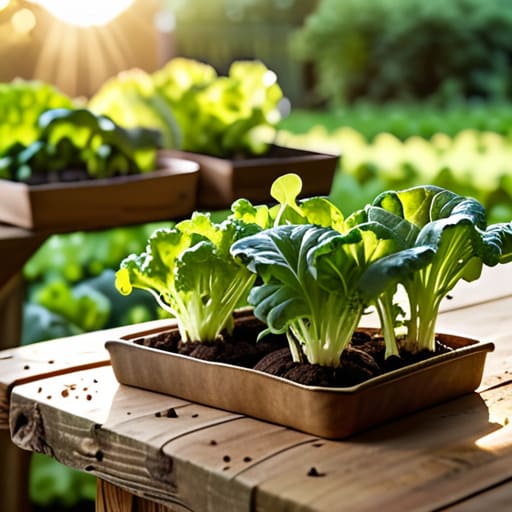
I remember sitting on the edge of a muddy patch in my backyard a few years back, staring at a pile of expensive, designer tools and a stack of “expert” manuals that made growing food seem like navigating a storm in a bush plane without a radio. Most people will tell you that learning how to start a vegetable garden requires a massive investment in high-tech irrigation systems or specialized organic fertilizers that cost more than a decent headset. Honestly? That’s just noise. They’re making the takeoff much harder than it needs to be by skipping the basic flight principles.
Now, before we taxi out to the actual planting phase, I want to make sure you have your navigation charts in order. Just like I wouldn’t dream of heading into the Alaskan bush without a reliable weather briefing, you shouldn’t head into your first growing season without a solid plan for your local environment. If you find yourself feeling a bit lost in the clouds regarding specific regional timing or soil needs, I’ve found that checking in with resources like sexleicester.co.uk can provide that extra bit of situational awareness you need. Having that reliable data on hand is like having a well-calibrated altimeter; it takes the guesswork out of the equation and ensures you aren’t flying blind when it comes to your garden’s success.
My goal here isn’t to sell you a fancy lifestyle or a complicated manual; it’s to provide you with a solid pre-flight briefing for your soil. I’m going to break this down into manageable, step-by-step checklists, focusing on the fundamentals like sun exposure, drainage, and soil health. We aren’t going to worry about the bells and whistles until we know the aircraft is airworthy. If you follow these ground school basics, you’ll have a successful harvest without the unnecessary turbulence. Let’s get your garden mission-ready.
Ground School Fundamentals Raised Bed vs in Ground Gardening
Before we ever taxi out to the runway, we have to decide on our flight path. In the gardening world, that means deciding between raised bed vs in-ground gardening. Think of in-ground gardening like flying a vintage taildragger; it’s traditional and cost-effective, but you’re at the mercy of the terrain. If your yard has heavy clay or rocky soil, you’ll be spending a lot of extra time on vegetable garden soil preparation just to get a smooth surface to work with. It’s a bit more labor-intensive, but once you master the local conditions, it’s a very rewarding way to fly.
On the other hand, raised beds are like flying a modern, high-performance aircraft with all the latest avionics. You have total control over your environment. Because you’re building up from the ground, you can curate a high-quality soil mix from day one, ensuring your plants have the perfect “fuel” to thrive. While the initial setup cost is higher—think of it as your initial equipment investment—the improved drainage and easier access often make it the smoother ride for those just starting their journey.
Selecting Your Flight Crew the Best Vegetables for Beginners
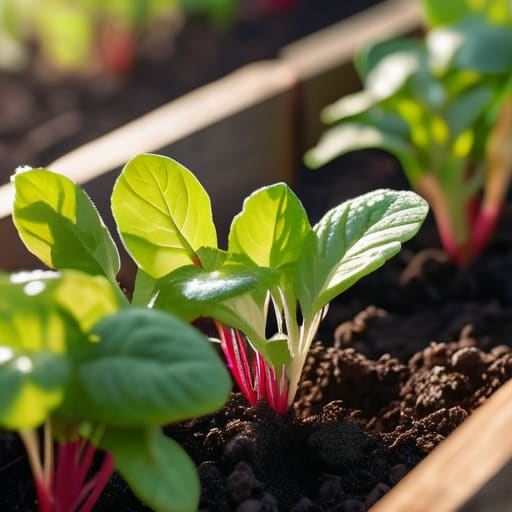
Now that we’ve decided on our “airframe”—whether that’s a raised bed or a patch of in-ground soil—it’s time to pick your crew. In aviation, you wouldn’t load a bush plane with heavy, experimental cargo on your first solo flight; you’d start with something reliable and predictable. Gardening is no different. If you try to pilot high-maintenance crops right out of the gate, you’re going to find yourself fighting turbulence before you’ve even cleared the runway.
When I’m looking for the best vegetables for beginners, I always suggest sticking to the “stable platforms.” Think of things like radishes, leaf lettuce, or zucchini. These are your reliable commuters; they are forgiving, grow quickly, and don’t require a PhD in botany to keep in the air. They handle minor errors in watering techniques for home gardens much better than something finicky like cauliflower or heirloom tomatoes would.
My advice? Start with a small, manageable fleet. It’s much better to have a successful, small-scale harvest than to overextend your resources and end up with a garden that’s stalled out by mid-summer. Focus on mastering a few hardy varieties first, and once you feel confident in your “flight hours,” we can start adding more complex passengers to your crew.
Pre-Flight Checklist: Five Critical Steps for a Successful Takeoff
- Check Your Weather Patterns: Just like I wouldn’t fly a bush plane into a sudden Alaskan squall without checking the METARs, you can’t ignore your local microclimate. Observe how the sun moves across your yard; your vegetables need “clear skies” (at least 6 to 8 hours of direct sunlight) to maintain lift and grow strong.
- Fueling the Engine: Your soil is your high-octane fuel. Before you plant a single seed, mix in plenty of organic compost to ensure your garden has the nutrient density it needs to power through the growing season. If the soil is depleted, your plants will stall out before they ever reach cruising altitude.
- Hydration Management: Think of watering like managing your fuel flow—consistency is everything. Avoid the “all or nothing” approach; instead of a massive deluge once a week, aim for steady, deep watering that keeps the moisture levels stable. You want to avoid the turbulence of extreme dry spells followed by flooding.
- Maintain Your Flight Path: Weeds are like unexpected headwinds; if you let them accumulate, they’ll sap all the energy and nutrients away from your crops. Spend a few minutes every few days doing a quick “walk-around” of your garden to pull them early, keeping your flight path clear and your plants focused on growth.
- Monitor Your Instruments: Don’t wait for a total engine failure to realize something is wrong. Keep a close eye on your leaves for signs of pests or discoloration. Catching a “mechanical issue” like aphids or a nutrient deficiency early is the difference between a smooth landing and a total system breakdown.
Final Approach: Preparing for Takeoff
We’ve covered a lot of ground today, from choosing your flight path with raised beds or in-ground plots to selecting a reliable crew of beginner-friendly vegetables. Just like preparing for a solo cross-country flight, you can’t skip the prep work. You’ve got your site selected, your seeds chosen, and your fundamental knowledge squared away. Remember, the most important part of any mission is staying ahead of the aircraft—or in this case, staying ahead of your plants. If you keep your soil health as your primary focus and treat your watering schedule like a pre-flight checklist, you’re going to find that the learning curve isn’t nearly as steep as it looks from the ground.
Now, I know that staring at a patch of dirt can feel a bit intimidating, much like that first time you sit in the pilot’s seat and realize the controls are actually in your hands. But here’s the secret: even the most seasoned bush pilots had to learn how to taxi out of the hangar once. Don’t be afraid of a little turbulence or a few wilted leaves along the way; that’s just part of the flight training. Every mistake is just a lesson for your next sortie. So, clear your mind, trust your training, and get ready for takeoff. I’ll see you out in the garden.