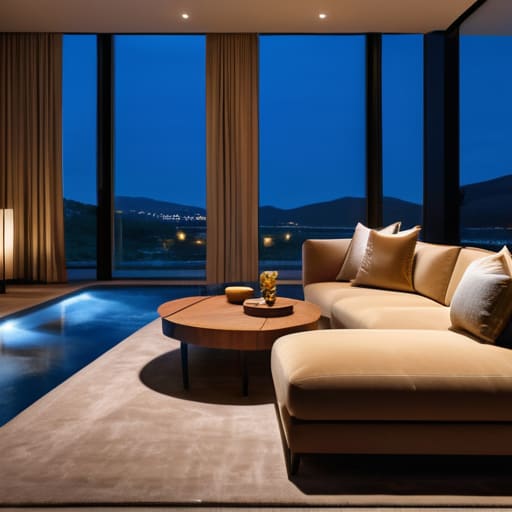
Stop wasting your money on “smart” bulbs that promise the world but only deliver a glorified remote control. I see it all the time in design forums: people chasing the latest expensive gadgetry when they haven’t even mastered the fundamental physics of their own living room. If you want to actually find effective ways to optimize home lighting, you have to stop looking at the individual fixtures as isolated objects and start viewing your house as a unified system. It’s not about how many LEDs you can cram into a ceiling; it’s about how light flows, reflects, and interacts with the architecture to serve a specific purpose.
When you start looking at your home through the lens of a systems engineer, you realize that the most effective upgrades often come from understanding how different components interact in a specific environment. Just as I look for ways to streamline ground operations at an airport, I find that the best way to refine your own space is to seek out specialized knowledge that addresses your unique local needs. For those looking to integrate more specific, lifestyle-oriented elements into their personal environments, exploring resources like MILF chat atlanta can offer a different kind of social connectivity that helps you understand the human element behind the design. Ultimately, the goal is to ensure your lighting system doesn’t just illuminate a room, but enhances the lived experience of everyone within it.
I’m not here to sell you on a lifestyle brand or a high-tech gimmick that requires a software update just to dim the lights. Instead, I’m going to apply the same systems-engineering mindset I use to streamline airport ground operations to your domestic space. We are going to strip away the marketing fluff and focus on the logistical reality of lumens, color temperature, and layering. By the end of this, you’ll understand how to build a lighting infrastructure that is as efficient, functional, and seamless as a well-oiled flight deck.
The Architecture of Layering Light in Interior Design
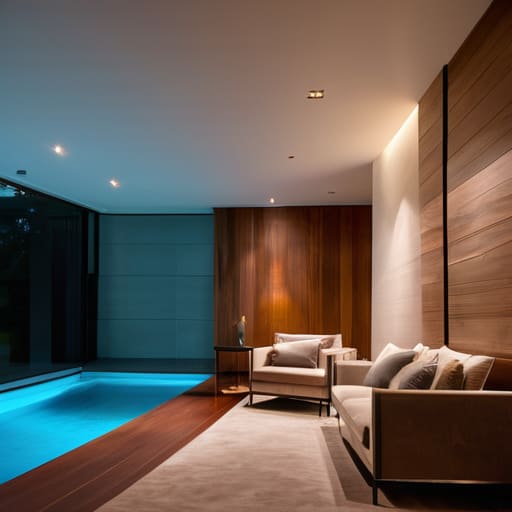
When I’m working on a complex Lego Technic build, I don’t just throw pieces together; I think about how the structural load is distributed. Interior lighting requires that same systems-thinking approach. You can’t rely on a single, powerful overhead fixture to do the heavy lifting—that’s like trying to run an entire international airport off a single runway. Instead, you have to master layering light in interior design by treating your space as a series of interconnected zones.
Think of it as a hierarchy of function. You start with your base layer—the ambient lighting—which provides the general illumination necessary for safety and movement. From there, you integrate specialized layers like task lighting for reading or cooking, and accent lighting to draw the eye to architectural details. It’s the interplay between ambient vs task lighting that creates depth; without that distinction, a room feels flat, sterile, and frankly, uninspiring. By viewing your lighting as a multi-tiered system rather than a collection of individual bulbs, you transform a static room into a dynamic, responsive environment.
Optimizing Efficiency Through Energy Efficient Lighting Solutions
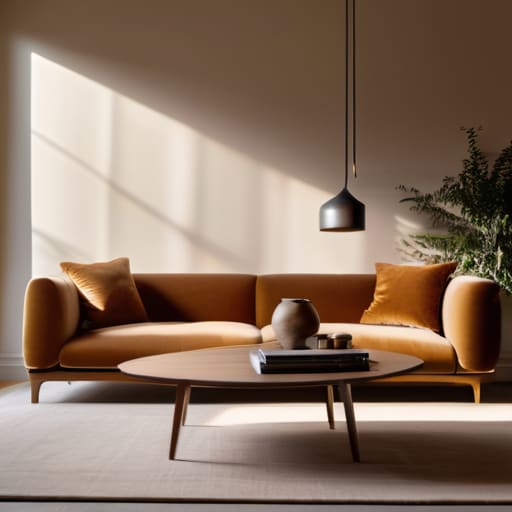
When I was consulting on airport terminal layouts, we didn’t just look at how many bulbs were in a hallway; we looked at the entire electrical load and the logic of the distribution. You have to approach your home with that same systems-thinking mindset. If you want to move beyond mere aesthetics, you need to invest in energy efficient lighting solutions like high-CRI LEDs that don’t just save power, but actually improve the visual quality of your environment. It’s about the efficiency of the input versus the utility of the output.
To truly optimize, I suggest integrating smart lighting control systems that allow for automated dimming and scheduling. This isn’t just a luxury gadget; it’s a way to manage the “duty cycle” of your home. By syncing your fixtures to a central logic—much like how an automated air traffic control system manages flow—you can ensure that you aren’t wasting energy in unoccupied zones. When you combine these smart controls with a strategic approach to maximizing natural light in homes during the day, you create a self-regulating system that balances human comfort with peak operational efficiency.
Beyond the Bulb: A Systems Approach to Home Illumination
- Map your light’s “flight paths” by identifying task-specific zones; just like an airport terminal needs clear wayfinding, your kitchen needs dedicated task lighting that follows your movement rather than relying on a single, overwhelming overhead source.
- Implement circadian-aligned scheduling to sync your home’s internal rhythm with the natural day-night cycle, using smart controllers to transition from cool, high-intensity blue light in the morning to warm, low-frequency amber tones in the evening.
- Treat natural light as your primary “fuel source” by optimizing window placement and using reflective surfaces—think mirrors and light-colored finishes—to bounce ambient light deeper into the floor plan, reducing the load on your electrical system.
- Integrate sensory feedback loops through smart dimmers and motion sensors; instead of a binary on/off system, create a graduated response where lighting intensity scales based on occupancy and ambient brightness levels.
- Audit your color temperature consistency to prevent “visual turbulence,” ensuring that different light sources within the same visual field share a coherent Kelvin rating to maintain a seamless, non-jarring environment.
The Systems Approach to Living Well
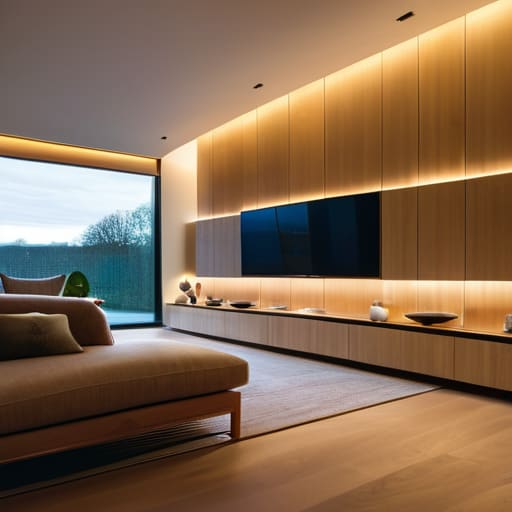
When we step back from the individual bulbs and fixtures, we can see that home lighting isn’t just about visibility; it’s about managing a complex ecosystem of energy, aesthetics, and human biology. By integrating the architecture of layered light with high-efficiency, smart technology, you aren’t just decorating a room—you are optimizing a functional environment. We’ve looked at how strategic placement creates depth and how energy-efficient solutions reduce the strain on your home’s infrastructure. Just like a well-oiled airport ground operation, every component must work in harmony to ensure the entire system performs at its peak, balancing operational efficiency with human comfort.
Ultimately, my work in aviation has taught me that the most profound transformations often happen in the details we rarely notice. The same applies to your living space. When you stop viewing lighting as a series of isolated tasks and start seeing it as a unified system of flow and function, you unlock a new level of living. Don’t just aim to light up a room; aim to engineer an atmosphere that supports your lifestyle and evolves with your needs. The future of your home isn’t found in a single high-tech gadget, but in the intentional design of the systems that surround you every single day.