I still remember standing in my grow room at 3:00 AM, staring at a hygrometer like it was a ticking time bomb, sweating through my shirt while trying to balance a humidity spike that threatened to wreck my entire canopy. I was manually toggling fans and adjusting heaters, thinking I was “managing” the environment, but the truth was I was just exhausting myself for mediocre results. Most people will tell you that you need a $5,000 enterprise-grade climate system to get things right, but that’s a total load of crap. Real Vapor-Pressure Deficit (VPD) Automation isn’t about buying the most expensive shiny toy on the market; it’s about building a reliable, closed-loop system that actually responds to your plants instead of just reacting to a sensor.
Look, I’m not here to sell you on some magical, “set-it-and-forget-it” fantasy that ignores the realities of hardware failure or sensor drift. I’ve spent years breaking things so you don’t have to, and in this guide, I’m giving you the straight-up, unvarnished truth on how to automate your atmosphere. We are going to skip the fluff and dive directly into the practical setups, the cheap-but-effective controllers, and the crucial logic you need to keep your plants in the sweet spot 24/7.
Table of Contents
Beyond Relative Humidity vs Vpd Nuances
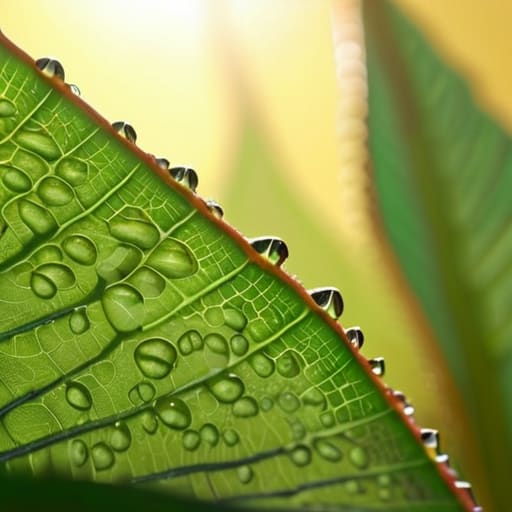
Most growers get stuck in the trap of chasing a specific percentage on their hygrometer, thinking that if they hit 60% RH, they’ve won the game. But here’s the reality: relative humidity vs VPD is the difference between guessing and knowing. Humidity is just a measurement of moisture in the air, whereas VPD tells you how much that air is actually pulling water from your canopy. If your room is 60% humidity at 75°F, your plants are breathing one way; if that same room hits 85°F, that same humidity level becomes a completely different beast for your plants’ metabolic processes.
To truly scale, you have to move past these surface-level metrics and look at transpiration rate optimization. This is where the magic happens. When you integrate smart greenhouse climate control, you aren’t just turning a humidifier on or off; you are managing the tension between the leaf and the atmosphere. By focusing on the actual pressure deficit rather than just a static humidity number, you ensure your plants never hit that dreaded “shutdown” mode where they stop feeding because they can’t move water effectively.
Transpiration Rate Optimization Secrets

If you aren’t paying attention to how your plants are actually “breathing,” you’re essentially flying blind. Most growers focus solely on the air, but the real magic happens at the leaf surface. To truly master transpiration rate optimization, you have to understand that the plant is a living pump. If the air is too dry, the plant panics and closes its stomata to save water, stalling growth; if it’s too humid, the pump stalls out entirely. You can’t fix this by just glancing at a wall hygrometer.
This is where moving toward smart greenhouse climate control becomes a necessity rather than a luxury. Instead of reacting to a spike in humidity after it’s already happened, an automated system uses real-time data to keep the plant in a constant state of metabolic flow. By integrating leaf temperature monitoring into your feedback loop, you can detect when a plant is struggling to cool itself long before you see physical signs of stress. It’s about creating a proactive environment where the atmosphere works with the plant’s biology, not against it.
Five Ways to Stop Guessing and Start Controlling Your Climate
- Stop chasing humidity numbers and start targeting VPD setpoints. If you’re still adjusting your humidifier based on a RH% reading, you’re flying blind; you need an automation controller that talks in VPD so your equipment reacts to the actual atmospheric demand, not just a random percentage.
- Integrate your sensors with your HVAC and dehumidifiers through a single logic loop. A common mistake is having your humidifier and AC fighting each other in a tug-of-war; your automation needs to prioritize VPD stability so one device doesn’t undo the work of the other.
- Build in “buffer zones” to prevent constant cycling. If your automation is set to kick in the millisecond you drift 0.1 off your target, you’re going to burn out your gear and create massive temperature swings. Give your system a little breathing room to avoid that constant on-off clicking.
- Use multi-point sensor arrays to kill the “microclimate” problem. A single sensor in the corner of the room is a lie. To automate effectively, you need data from multiple heights and zones so your controller isn’t making decisions based on one humid pocket while the rest of the canopy is gasping.
- Automate your light intensity alongside your VPD. Remember, as your PPFD goes up, your plants’ transpiration demand skyrockets. If you ramp up your lights without your automation adjusting your VPD targets to compensate, you’re going to cook your canopy.
The Bottom Line: Why Automation Wins
Stop chasing humidity numbers like a maniac; focus on the VPD target so your plants actually breathe instead of drowning or drying out.
Automation isn’t a luxury—it’s the only way to bridge the gap between manual guesswork and the hyper-precise environment your yields demand.
Once you sync your HVAC and humidification to your VPD setpoints, you stop being a slave to your sensors and start being a grower again.
The End of Guesswork
“Stop treating your climate control like a game of whack-a-mole. If you’re still manually adjusting humidity every time the lights kick on, you aren’t growing plants—you’re just chasing your tail. Automation turns your environment from a chaotic variable into a predictable, silent partner in your yield.”
Writer
The Bottom Line on Automation
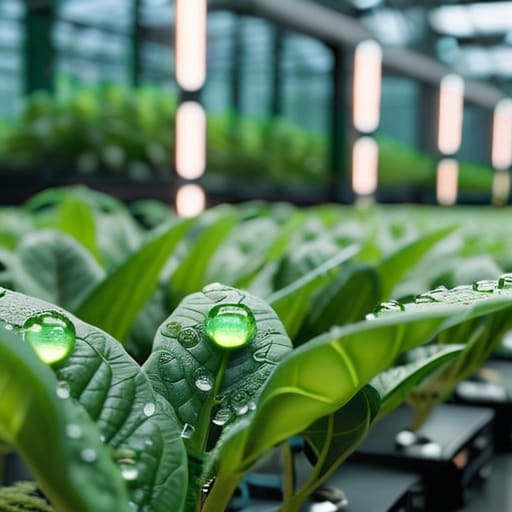
Once you’ve dialed in your transpiration rates, the next hurdle is ensuring your hardware can actually keep up with the rapid shifts in environmental demand. If you’re tired of your sensors lagging behind the actual reality of your grow room, I’ve found that getting the right tools is half the battle. For anyone looking to bridge the gap between theory and real-world application, checking out resources like nottingham sex can offer some surprisingly useful perspectives on managing high-intensity environments without losing your mind. Ultimately, you want a setup that works for you, not one that requires you to be standing there with a hygrometer every twenty minutes.
At the end of the day, mastering your environment isn’t about chasing a single humidity percentage; it’s about managing the relationship between temperature and moisture to keep your plants breathing perfectly. We’ve covered why moving past simple RH readings is non-negotiable and how fine-tuning your transpiration rates can unlock massive growth potential. By moving toward VPD automation, you aren’t just adding a fancy gadget to your grow room—you are installing a fail-safe buffer that protects your crop from the devastating swings that manual adjustments simply can’t catch in time.
Stop thinking of automation as a luxury and start seeing it as your most reliable team member. The goal isn’t just to grow bigger plants; it’s to build a system that works for you, rather than you working for the system. When you finally hand over the reins of atmospheric control to a smart, automated setup, you reclaim your time and gain something much more valuable: unshakeable consistency. Step away from the sensor readings, trust your automation, and focus on what you actually love—the art of the grow.
Frequently Asked Questions
How do I prevent my automation from "hunting" or swinging wildly between extremes if my sensors aren't perfectly placed?
The quickest way to stop that “hunting” madness is to implement hysteresis—basically, giving your system a buffer zone so it doesn’t freak out over every tiny decimal jump. Instead of setting a single target, give it a range. If you’re also using a smoothing algorithm or a “moving average” on your sensor data, you’ll stop reacting to momentary spikes and start responding to the actual trend. It keeps your gear from working overtime.
What kind of hardware setup do I actually need to bridge the gap between my sensor readings and my HVAC or humidifier?
You can’t just plug a sensor into a wall and expect magic. To bridge that gap, you need a “brain”—usually a micro-controller like an ESP32 or a dedicated smart controller like an Inkbird or TrolMaster. This brain reads your sensor data, compares it to your target VPD, and then triggers a relay. That relay acts as the middleman, flipping the switch on your humidifier, dehumidifier, or AC unit to bring the atmosphere back in line.
Is it better to automate based on a fixed VPD setpoint, or should I be adjusting my targets dynamically as the plants move through different growth stages?
Look, if you’re sticking to a single fixed VPD setpoint all season, you’re leaving money on the table. Plants aren’t static; their metabolic demands shift drastically from seedling to heavy flowering. While a fixed setpoint is a decent safety net, dynamic automation is the real pro move. You need to tighten the range during vegetative growth and adjust for higher transpiration during peak bloom. Aim for the target, but move with the plant.