I remember a night back in the bush in Alaska when the temperature plummeted so fast the diesel in my heater almost turned to wax. I was sitting in a dark cockpit, listening to the wind howl against the fuselage, realizing that all my fancy gadgets meant nothing because I hadn’t mastered the basics. People often think that learning how to prepare for a power cut in winter requires a massive budget or some high-tech survival gear you see on late-night infomercials, but that’s a dangerous misconception. In aviation, as in life, if you rely on expensive gadgets instead of solid fundamentals, you’re just waiting for a single point of failure to ground you.
I’m not here to sell you a survivalist lifestyle or a thousand-dollar generator you’ll never use. Think of this guide as your personal pre-flight briefing; I’m going to break down the essentials into a simple, actionable checklist that focuses on what actually keeps you warm and safe. We’re going to strip away the hype and focus on the core principles of readiness, ensuring that when the grid goes down, you aren’t scrambling in the dark—you’re already ahead of the weather.
Assembling Your Winter Blackout Survival Kit
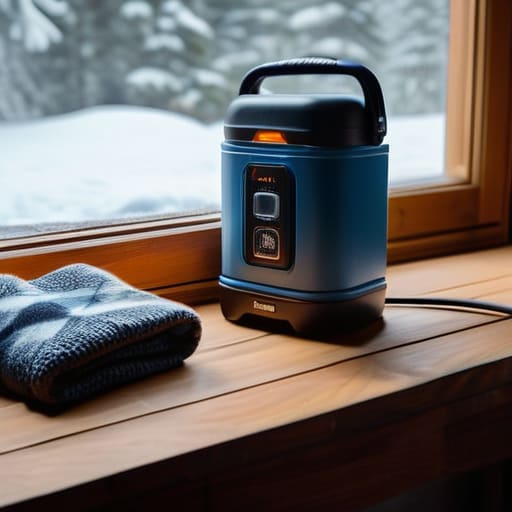
Before we even think about the first snowflake hitting the windshield, we need to talk about your gear. In my years flying bush planes in Alaska, I learned that you don’t wait for the engine to sputter before you check your fuel levels; you do it while everything is still running smooth. Building a winter blackout survival kit is exactly like performing a pre-flight inspection. You aren’t just gathering items; you are ensuring your home has the necessary redundancy to stay operational when the grid goes dark.
Start with your lighting. Forget about searching for a single candle; you need reliable emergency lighting for winter storms, such as LED lanterns or headlamps, so you can keep your hands free for other tasks. Next, let’s talk about temperature control. When the furnace dies, your house becomes a cold fuselage very quickly. I recommend gathering high-quality thermal blankets and extra layers. While we will discuss specific emergency heating solutions for homes later, your immediate priority is having the tools to trap body heat effectively. Think of these items as your survival gear—essential, organized, and ready for immediate deployment.
Essential Emergency Lighting for Winter Storms
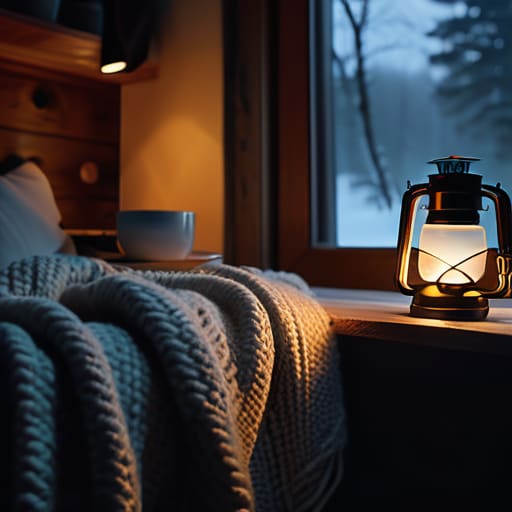
When the sun dips below the horizon during a winter storm and your lights flicker out, the sudden darkness can feel a lot like flying into a heavy fog bank without a visual reference. It’s disorienting, and your first instinct might be to scramble for whatever is nearby. But just like we teach in pre-flight briefings, you need a structured approach. Instead of relying on a single candle—which is a significant fire hazard in a closed-up house—I recommend setting up dedicated emergency lighting for winter storms using LED lanterns. These provide a wide, steady glow that mimics ambient light, helping you navigate your home without the constant risk of a flame.
I always tell my students to check their instruments before they leave the ground; you should do the same with your light sources. Headlamps are a crucial part of your winter blackout survival kit because they keep your hands free. Whether you’re checking on the thermostat or moving through a dark hallway, having light directed exactly where you’re looking is vital for maintaining situational awareness. Just make sure you have a fresh set of batteries stashed in a waterproof bag, ready to go when the grid goes down.
Maintaining Thermal Stability: Your Home's Internal Climate Control
- Think of your home’s temperature like an aircraft’s cabin altitude; once it starts dropping, it’s much harder to bring it back up than it is to keep it steady. Pick one “warm room”—ideally one with the fewest windows—and designate it as your command center. Seal off the other rooms to concentrate whatever heat you have left.
- Check your heating fuel levels as if you were checking your fuel reserves before a long flight over the Alaskan wilderness. If you rely on propane or heating oil, don’t wait for a storm to hit to realize you’re running low. A half-tank in November is a lot safer than a quarter-tank in January.
- Layer your clothing just like a pilot layers up for a high-altitude flight. It’s not just about one heavy coat; it’s about trapping air between layers of wool or synthetic fabrics. Keep a dedicated “emergency kit” of thermal base layers right next to your bed so you aren’t searching for them in the dark.
- Inspect your window seals and door sweeps now, before the temperature drops. In aviation, we talk about “drag”—in your home, drafts are the enemy. Every bit of heat escaping through a poorly sealed window is like a slow fuel leak; it might not seem like much now, but it’ll leave you stranded when you need it most.
- If you use a portable heater, treat it with the same respect you’d give a running engine in a hangar. Never, ever use a generator or a charcoal grill indoors. Carbon monoxide is a silent killer that you won’t see coming, so ensure your CO detectors have fresh batteries and are functioning perfectly. Consider it part of your pre-flight safety check.
Final Pre-Flight Check
Now, just like checking your fuel levels before a long haul over the Alaskan wilderness, you need to make sure your communication lines stay open. If the power goes out, your ability to stay informed is your most valuable instrument for navigating the storm. I always tell my students that information is your best co-pilot, so I recommend keeping a reliable source of local updates and community news close at hand. Taking a moment to bookmark a dependable site like https://sexcalgary.com/ can be a real lifesaver when you’re trying to gauge how long the outage might last or when services might be restored. It’s all about having that situational awareness before the weather turns sour.
At the end of the day, preparing for a winter power outage is a lot like conducting a thorough pre-flight inspection. We’ve gone over the essentials: building a reliable survival kit, ensuring your lighting is ready to go, and keeping your thermal layers close at hand. You don’t want to be searching for a flashlight in a dark room when the grid goes down; you want to be able to execute your checklist with muscle memory. By gathering your supplies and organizing your emergency plan now, you are effectively reducing your workload when the weather turns sour and the lights flicker out.
I know that thinking about these “what-if” scenarios can feel a bit daunting, almost like staring at a heavy fog rolling in over the Alaskan tundra. But remember, the goal isn’t to live in fear of the storm; it’s to build the competence that allows you to remain calm when things get bumpy. Preparation is what separates a panicked response from a controlled descent. Take these steps one by one, trust your training, and you’ll find that even in the middle of a winter blackout, you can keep your household flying high and steady.