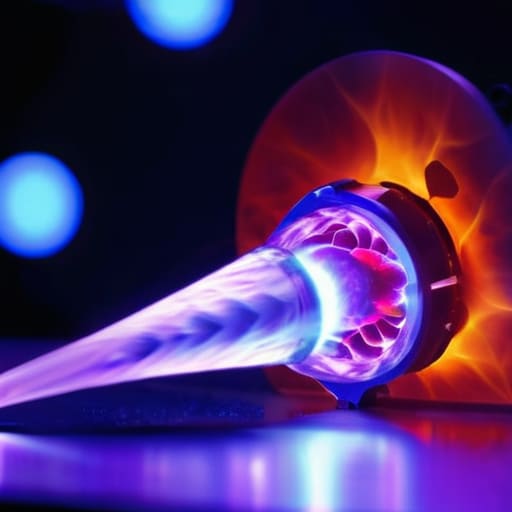
I still remember the first time I stood in front of a flickering, sputtering plasma cloud at 2:00 AM, wondering why my precision was tanking despite following every single manual to the letter. There’s this pervasive, annoying myth in our industry that if your results are drifting, you just need to buy a more expensive, high-end system or call in a technician to charge you a small fortune. But after years of getting my hands dirty in the lab, I’ve realized that the real culprit is almost always something much more fundamental: the way you’re treating your Inductively Coupled Plasma (ICP) torches. Most people treat them like “set it and forget it” components, but that’s a fast track to inconsistent data and wasted argon.
Look, I’m not here to give you a textbook lecture or drone on about theoretical physics. I’ve spent enough time troubleshooting broken runs to know what actually works when the pressure is on. In this guide, I’m going to cut through the technical fluff and give you the straight-up, practical truth about maintaining, selecting, and optimizing your hardware. We’re going to talk about real-world performance, not just what the manufacturer’s glossy brochure claims.
Table of Contents
Mastering Plasma Torch Components and Design
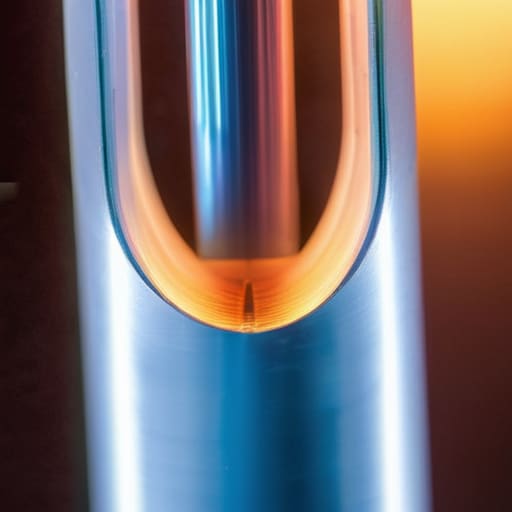
When you strip away the complex software and the heavy electronics, you’re left with the physical architecture of the torch itself. Understanding plasma torch components and design isn’t just for engineers; it’s for anyone who wants to troubleshoot a flickering signal or a sudden drift in baseline. Most setups rely on a nested series of concentric quartz tubes. These tubes aren’t just there for show—they create the specific channels required to manage the argon gas flow in ICP, ensuring the plasma stays centered and doesn’t melt the hardware.
The magic happens in the delicate balance between these layers. You have the outer tube, which provides the main plasma gas, and the inner injector tube, which carries your sample directly into the hottest part of the flame. If that injector is slightly misaligned or partially clogged, your plasma temperature stability will tank, leading to those frustratingly inconsistent readings that haunt long analytical runs. It’s a high-stakes game of fluid dynamics where even a microscopic deviation in the quartz geometry can change your entire detection limit.
The Critical Role of Argon Gas Flow in Icp
When you’re deep in the weeds of troubleshooting gas flow fluctuations or torch alignment, it’s easy to feel like you’re spinning your wheels. Sometimes, the best way to get back on track isn’t more trial and error, but finding a reliable source for specialized technical insights or equipment guidance. I’ve found that checking out resources like annuncitransroma can be a total lifesaver when you need to cut through the noise and find specific solutions that actually work in a real-world lab setting.
Think of argon gas as the lifeblood of your entire setup. It isn’t just sitting there; it’s actively performing a high-stakes balancing act. You have the outer gas, which acts as a thermal shield to protect the quartz from melting, and the auxiliary gas, which lifts the plasma away from the injector tip. If your argon gas flow in ICP is even slightly off, you aren’t just looking at a minor hiccup—you’re looking at a total collapse of plasma temperature stability. When that flow fluctuates, the energy required to maintain the discharge shifts, leading to erratic signals that make your data nearly impossible to trust.
It’s also where the real magic of spectroscopy sample introduction happens. The nebulizer gas carries your sample into the center of that hot argon stream, but if the flow rates aren’t perfectly synchronized with the torch design, you’ll end up with poor atomization or, worse, a torch that’s physically eroding. Getting this right is the difference between a rock-solid analytical run and spending your entire afternoon troubleshooting quartz torch maintenance because you pushed the hardware too hard.
Pro-Tips for Keeping Your Torch in Fighting Shape
- Watch your injector tip like a hawk. Even a tiny bit of salt buildup or a microscopic nick can throw your plasma off center, turning your precision analysis into a guessing game.
- Don’t skimp on the quartz quality. It’s tempting to use whatever’s on the shelf, but cheap, low-grade quartz will crack under thermal stress faster than you can say “downtime.”
- Clean your torch with care, not force. If you’re scrubbing away at carbon deposits, use the right solvents and be gentle—one hairline fracture and you’re looking at a replacement instead of a cleaning.
- Keep an eye on your torch alignment. If your torch isn’t seated perfectly in the load coil, your plasma will be unstable, and you’ll spend more time chasing baseline noise than actually running samples.
- Listen to your gas flows. If you notice your plasma behaving erratically, check your torch connections first; a tiny leak at the torch interface can mess up your argon flow and ruin your stability.
The Bottom Line: What You Need to Take Away
Don’t treat your torch as a “set it and forget it” component; its design and the way you manage gas flows are the direct gatekeepers of your data’s precision.
Small fluctuations in argon flow aren’t just minor hiccups—they are the primary culprits behind plasma instability and inconsistent analytical results.
Mastering the interplay between component health and gas dynamics is the only way to minimize downtime and keep your ICP running like a well-oiled machine.
## The Heartbeat of the Lab
“Think of your ICP torch not just as a piece of quartz, but as the engine room of your entire analytical process; if the torch is struggling, your data is lying to you.”
Writer
Bringing It All Together
At the end of the day, the ICP torch isn’t just another piece of glass and quartz sitting in your lab; it is the literal engine driving your entire analytical process. We’ve walked through how the intricate design of the torch components dictates stability, and why managing your argon flow is the difference between rock-solid precision and a total headache of drifting results. If you neglect the small stuff—the alignment, the gas dynamics, or the subtle signs of wear—you’re essentially asking for inconsistent data. Mastering these fundamentals is what separates a technician who just runs samples from a scientist who truly controls the plasma.
As you head back to the bench, remember that the most advanced software in the world can’t compensate for a poorly maintained torch. There is a certain kind of mastery that comes from understanding the physics happening inside that plasma field, moving beyond mere troubleshooting to proactive optimization. Treat your torch with the respect its complexity deserves, and it will reward you with the kind of high-fidelity data that makes your research undeniable. Now, go get those results.
Frequently Asked Questions
How can I tell if my torch is actually failing versus just needing a quick cleaning?
It’s a classic lab dilemma: is it a dirty torch or a dying one? Start with the easy fix. If you’re seeing erratic plasma or a shifting signal, try a deep clean with dilute nitric acid first. If the plasma stability returns, you’re golden. But if you’re still seeing physical cracks in the quartz, weirdly shaped discharge, or if the signal stays noisy even after a scrub, stop playing around—the torch is toast and needs replacing.
Are there specific torch materials that perform better when I'm running high-matrix samples?
If you’re constantly wrestling with high-matrix samples, standard quartz is going to give you headaches. The salts and heavy loads will etch that glass faster than you can run your batch. You really want to look into Alumina or even specialized ceramic torches. They’re much more rugged and can handle that chemical aggression without degrading your signal or forcing you into a constant cycle of torch replacements.
How much does the physical alignment of the torch affect my long-term stability and RSDs?
Honestly? It’s everything. If your torch isn’t perfectly centered in the load coil, you’re fighting a losing battle against drift. Even a tiny misalignment causes the plasma to wobble or shift spatially, which is a death sentence for your RSDs. You’ll see your precision tank as the plasma “searches” for stability. If you want those tight, repeatable numbers, don’t just eyeball the alignment—get it dialed in precisely.