
I still remember my first flight as a bush pilot in Alaska, navigating through the dense wilderness with nothing but my trusty map and compass. But it wasn’t until I started flying into larger airports that I realized the importance of understanding a guide to airport markings and signs. It’s a topic that’s often overlooked, but trust me, it’s crucial for any pilot or traveler to know. I’ve seen many a pilot get confused by the myriad of lines and symbols on the ground, and it’s my goal to break it down in simple terms.
In this article, I’ll be sharing my expertise as a certified flight instructor to provide you with a clear and concise guide to navigating airport surfaces. You’ll learn how to decipher the different types of markings and signs, from runway designations to taxiway indicators. My approach is always step-by-step, focusing on the fundamentals and safety above all else. By the end of this guide, you’ll be well-equipped to navigate even the most complex airport layouts with confidence. Whether you’re a seasoned pilot or just a curious traveler, this guide is designed to be accessible and easy to understand, so you can feel more at ease during your next flight.
Table of Contents
Guide Overview: What You'll Need

Total Time: 1 hour 15 minutes
Estimated Cost: $0 – $10
Difficulty Level: Easy
Tools Required
- Camera (for documenting observations)
- Notebook (for recording notes)
- Pen (for writing notes)
Supplies & Materials
- Airport Diagrams (print or digital copies)
- Sign and Marking Guides (from aviation authority websites)
Step-by-Step Instructions
- 1. First, let’s start by understanding the basic layout of an airport, which includes runways, taxiways, and aprons. To navigate these areas safely, it’s essential to recognize the different markings and signs that guide aircraft and vehicles. I like to think of it as learning a new language, where each symbol and line has a specific meaning that helps you stay on course.
- 2. Next, we need to identify the different types of markings found on airport surfaces. These include centerline markings, which are used to guide aircraft along the center of a runway or taxiway, and edge markings, which define the edges of these surfaces. By recognizing these markings, you’ll be able to better understand how aircraft move around the airport and how to avoid potential hazards.
- 3. Now, let’s take a closer look at the signs used on airport surfaces. These can include runway designation signs, which indicate the runway number and direction, as well as taxiway signs, which guide aircraft to and from the runway. It’s essential to understand what each sign means, as they provide critical information for safe navigation.
- 4. To further aid in navigation, airports use a variety of lighting systems, including runway edge lights, centerline lights, and taxiway lights. These lighting systems help pilots and drivers stay oriented at night or in low-visibility conditions and provide an additional layer of safety.
- 5. Another crucial aspect of airport markings and signs is the use of holding positions, which are designated areas where aircraft must stop before entering a runway or taxiway. These positions are clearly marked with signs and markings and are used to prevent collisions and ensure safe separation between aircraft.
- 6. In addition to these markings and signs, airports also use ground traffic control to direct the movement of aircraft and vehicles. This can include follow-me cars, which lead aircraft to their parking positions, and ground control vehicles, which provide guidance and direction to pilots and drivers.
- 7. Finally, it’s essential to understand the standardized system used for airport markings and signs, which ensures consistency across different airports and countries. This system includes standardized symbols, colors, and markings that provide a common language for pilots, drivers, and air traffic controllers to communicate and navigate safely. By familiarizing yourself with this system, you’ll be better equipped to decode the runway and navigate airport surfaces with confidence.
Decoding Airport Secrets
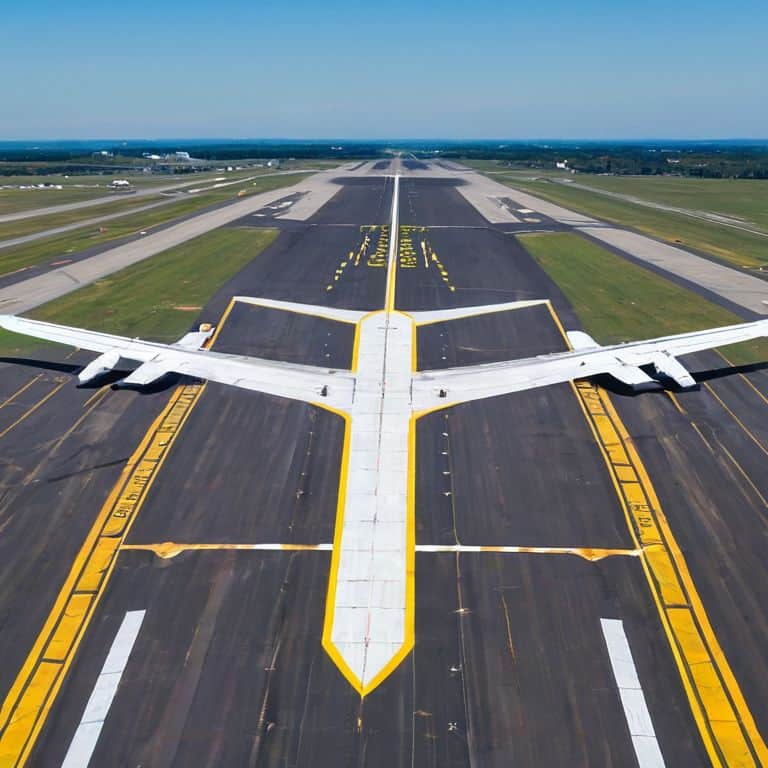
As we delve deeper into the world of airport markings and signs, it’s essential to understand the airport runway designations that help pilots navigate the airfield. These designations are typically represented by a combination of letters and numbers, indicating the runway’s direction and orientation. By recognizing these designations, pilots can better understand the airport’s layout and make informed decisions during takeoff and landing.
When taxiing to the runway, pilots must be aware of the taxiway lighting systems that guide them through the airfield. These lighting systems include hold short bar markings that indicate where aircraft should stop before entering a runway or taxiway. It’s crucial for pilots to recognize these markings to avoid potential collisions or incursions. By following these guidelines, pilots can ensure a safe and efficient passage through the airport.
To further enhance airfield safety, pilots must adhere to established pilot communication protocols and airfield safety procedures. This includes clearly communicating their intentions and position to air traffic control and other aircraft. By doing so, pilots can minimize the risk of errors and ensure a smooth operation. By mastering these skills, pilots can become more confident and competent in their ability to navigate the complex world of airport markings and signs, ultimately leading to a safer and more enjoyable flying experience.
Mastering Taxiway Lighting Systems
As we explore the airport’s visual language, let’s shed some light on taxiway lighting systems. These systems are designed to guide pilots safely around the airport, even in low-visibility conditions. Think of it like navigating a hiking trail at dusk – you need clear markers to stay on track. Taxiway lights serve the same purpose, helping pilots avoid collisions and find their way to the runway or terminal.
By understanding the different colors and patterns of taxiway lights, you’ll gain a deeper appreciation for the intricacies of airport operations. For instance, green centerline lights indicate the taxiway’s center, while blue edge lights define its boundaries. It’s like following a well-marked trail, where each light serves as a reassuring milestone on your journey.
Unlocking Airport Runway Designations
When exploring airport secrets, it’s essential to understand runway designations. These are the numbers you see at the end of each runway, and they’re not just random – they’re actually aligned with the magnetic compass direction. For example, a runway labeled 22 is oriented approximately 220 degrees magnetic. This system helps pilots navigate and communicate effectively. By understanding these designations, you’ll gain insight into the logic behind airport layouts and how they impact flight operations.
Think of it like navigating through a new hiking trail – once you understand the signage and markings, you can move with confidence. In this case, recognizing runway designations is like learning the trail map, allowing you to better appreciate the complexity and beauty of airport operations.
Navigating the Airfield with Ease: 5 Essential Tips

- Understand the basics of runway markings, including the numbers, letters, and colors used to guide pilots
- Recognize the different types of signs, such as mandatory instruction signs, guidance signs, and information signs
- Learn to decipher taxiway markings, including centerline stripes, edge markings, and intersection markings
- Familiarize yourself with holding position signs and markings, which indicate where aircraft should wait before crossing a runway or taxiway
- Know the meaning of airfield ground signs, such as wind direction indicators, compass roses, and aircraft parking signs, to improve your overall situational awareness
Key Takeaways for Safe Navigation
Understanding airport markings and signs is crucial for safe and efficient navigation, whether you’re a pilot or a traveler, and can be broken down into simple, easy-to-remember principles
Mastering taxiway lighting systems and runway designations can significantly reduce confusion and anxiety when navigating airport surfaces, much like how a pre-flight checklist helps a pilot prepare for takeoff
By applying the principles learned from decoding airport secrets, such as recognizing hold lines and understanding approach zone markings, you’ll be better equipped to manage the complexities of air travel and make more informed decisions, just as a pilot uses their knowledge of meteorology to navigate through changing weather conditions
Navigating the Ground with Ease
Understanding airport markings and signs is not just about following rules, it’s about being a part of a harmonious dance between pilots, air traffic control, and the airport itself – each element working together in perfect synchrony to ensure safe and efficient travel.
Daniel Sato
Conclusion: Mastering the Language of the Skies
As we conclude this guide to airport markings and signs, let’s take a moment to reflect on the progress we’ve made. We’ve decoded the secrets of airport runway designations, mastered taxiway lighting systems, and explored the fascinating world of airport markings. By understanding these essential components, you’ll be able to navigate airport surfaces with greater confidence and appreciation for the complexity of air travel. Whether you’re a seasoned pilot or a curious traveler, this knowledge will enhance your overall flying experience.
As you take to the skies, remember that every symbol and sign has a story to tell and a purpose to serve. By embracing this knowledge, you’ll not only become a more informed traveler but also appreciate the beauty of flight in a whole new way. So, the next time you find yourself on a runway or taxiway, take a moment to appreciate the intricate dance of markings, signs, and lights that guide you safely to your destination.
Frequently Asked Questions
What are the most common types of airport markings and signs that I should know about as a passenger?
As a passenger, you’ll commonly see runway designation signs, taxiway markings, and holding position signs. These help guide aircraft to and from the runway, while others, like direction signs and information signs, assist with navigation and provide crucial details about the airport layout.
How do pilots use airport markings and signs to navigate the airport safely?
As a pilot, I rely on airport markings and signs to navigate safely. Think of them as a roadmap on the ground. By recognizing and understanding these visual cues, I can ensure a smooth departure or arrival, just like following a checklist before takeoff. It’s all about being prepared and aware of my surroundings.
Are airport markings and signs standardized across different countries and airports?
While there may be some variations, the International Civil Aviation Organization (ICAO) sets standards for airport markings and signs, ensuring a consistent language worldwide. This means that, generally, you’ll find similar signs and markings at airports from Tokyo to New York, making navigation easier for pilots and travelers alike.