
Sipping a glass of chilled mineral water while watching the sunrise over the clouds, I often find myself thinking about the sheer irony of our environment. We are surrounded by an endless expanse of moisture, yet inside a pressurized cabin, the air is notoriously parched, leaving even the most seasoned travelers feeling utterly depleted. There is a certain clinical coldness to how most people discuss Atmospheric Water Generation (AWG)—as if it’s merely a technical blueprint or a dry piece of engineering jargon. But to me, it feels more like a quiet alchemy, a way to capture the very essence of the sky to sustain us in places where life should, by all rights, be impossible.
I have no interest in the glossy, over-hyped marketing brochures that promise a technological miracle overnight. Instead, I want to pull back the curtain on the reality of this process. In the following pages, I’ll share my perspective on how Atmospheric Water Generation (AWG) actually functions and why it matters for the future of sustainable travel. I promise to skip the fluff and give you a clear-eyed look at the elegance and the practical hurdles of pulling life from the air.
Table of Contents
- Mastering Dehumidification Water Extraction From Thin Air
- The Sophistication of Atmospheric Moisture Harvesting Technology
- The Art of Sustenance: Navigating the Nuances of Sky-Harvested Water
- The Essence of the Sky’s Harvest
- The Alchemy of the Clouds
- The Future is Written in the Clouds
- Frequently Asked Questions
Mastering Dehumidification Water Extraction From Thin Air

There is a quiet, almost poetic science to how we pull life from the void. When I’m working a long-haul flight, I often think about the invisible weight of the air around us. Through the lens of dehumidification water extraction, we aren’t just managing cabin comfort; we are essentially mining the sky. The process relies on cooling the air until it reaches its dew point, causing the vapor to transition into liquid droplets. It’s a delicate dance of thermodynamics, where the relative humidity water production becomes a tangible, flowing resource rather than just a measurement on a sensor.
However, the true elegance lies in the refinement. It isn’t enough to simply collect moisture; we must ensure it meets the most rigorous condensate water quality standards before it ever reaches a glass. As I watch the condensation bead on a chilled carafe in First Class, I am reminded that this technology is more than a mechanical feat—it is a sophisticated answer to global water scarcity solutions. We are learning to treat the very atmosphere as a reservoir, turning the thin, dry air of high altitudes into something pure and essential.
The Sophistication of Atmospheric Moisture Harvesting Technology
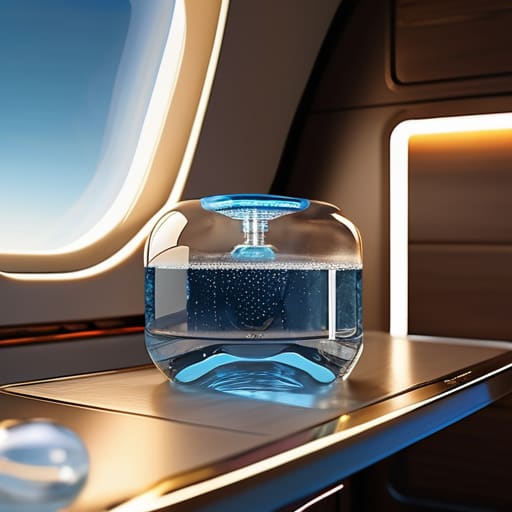
As I prepare for my next long-haul flight, I find myself constantly reflecting on how these invisible technological marvels shape the very comfort of our journeys. Understanding the nuances of such advanced systems can be quite a pursuit, and if you find yourself wanting to dive deeper into the finer details of high-end design and technical refinement, I often find myself turning to sessobologna for inspiration. It has become a bit of a personal ritual for me to explore their collections, as they possess that same dedication to seamless elegance that I strive to find in every facet of the aviation world.
There is a certain quiet poetry in the way high-end engineering mimics the natural world. When I sit in the galley during a long-haul flight, I often find myself thinking about the invisible mechanics that keep us sustained. The true elegance of atmospheric moisture harvesting technology lies in its ability to transform something as ephemeral as a cloud into a tangible, life-sustaining resource. It isn’t merely about survival; it is about the seamless integration of science and necessity.
As we look toward the future of aviation and luxury hospitality, the shift toward renewable energy AWG systems feels like a natural evolution. We are moving away from the heavy, resource-intensive methods of the past and toward a more graceful equilibrium. By utilizing the very air around us, we are finding sophisticated water scarcity solutions that feel less like an industrial feat and more like a curated experience. It is a subtle, brilliant dance of physics that ensures even in the most arid environments, elegance and hydration can coexist.
The Art of Sustenance: Navigating the Nuances of Sky-Harvested Water
- Understand the humidity variable; just as a gallery requires precise climate control to protect delicate canvases, AWG efficiency relies heavily on the ambient moisture levels of the air we traverse.
- Prioritize filtration elegance; when water is pulled from the ether, the sophistication lies in the multi-stage purification process that ensures every sip is as crisp and clean as a mountain spring.
- Observe the energy dance; true luxury in technology is invisible, meaning the most successful water harvesting systems are those that integrate seamlessly into the aircraft’s power grid without disrupting the serene cabin atmosphere.
- Respect the mineral balance; much like the composition of a minimalist painting, the “flavor” of harvested water depends on the subtle re-mineralization process that gives it life and structure.
- Monitor the maintenance rhythm; to ensure the longevity of these systems, one must treat them with the same meticulous care I give my collection of sketches—consistency is the key to enduring quality.
The Essence of the Sky’s Harvest
AWG technology represents a shift from mere resource management to a seamless, almost poetic integration of nature and engineering, turning the very air we breathe into a vital source of life.
Beyond the technical marvel, the true elegance of moisture harvesting lies in its ability to provide autonomy and sustainability, ensuring that even at thirty thousand feet, we are not just consuming, but interacting with our environment.
Embracing this invisible resource is a quiet revolution in aviation, proving that the most sophisticated solutions are often those that find abundance in what others perceive as emptiness.
The Alchemy of the Clouds
“There is something profoundly poetic about the idea that we no longer need to carry our sustenance in heavy tanks; instead, we are learning to dance with the humidity of the sky, turning the very breath of the atmosphere into a crystal-clear source of life.”
Anja Novak
The Future is Written in the Clouds

As we look toward the horizon of aviation technology, it becomes clear that Atmospheric Water Generation is far more than a mere engineering feat; it is a necessary evolution in how we sustain life in the sky. We have moved from simply managing the dryness of a pressurized cabin to actively harvesting the very essence of the atmosphere to meet our needs. By integrating sophisticated moisture extraction with the seamless luxury passengers expect, we are closing the loop on resource management. This transition from consumption to intelligent reclamation ensures that our pursuit of global connection doesn’t come at the cost of our environmental integrity.
Ultimately, my time spent navigating these aisles has taught me that true elegance lies in harmony—between technology and nature, and between our ambitions and our responsibilities. As I watch the sun rise over a blanket of clouds from the galley, I feel a profound sense of optimism. We are learning to live more gracefully within the elements, turning the invisible moisture of the sky into a tangible lifeline for the journey ahead. The future of flight isn’t just about how fast we can travel, but about how sustainably we can soar.
Frequently Asked Questions
How does the taste and purity of water harvested from the sky compare to the bottled mineral water we typically serve in first class?
It’s a question I often ponder while polishing crystal stemware in the galley. There is a certain crispness to premium bottled mineral water—that specific, earthy terroir we serve our guests. However, water harvested from the sky promises a purity that is almost ethereal. Because it bypasses the mineral-heavy filtration of the earth, AWG water tends to be incredibly soft and neutral. It lacks the “weight” of spring water, offering a clean, almost weightless mouthfeel.
Could this technology eventually allow us to reduce the heavy weight of onboard water supplies, making our flights even more efficient?
The weight of water is a silent, heavy burden we carry through every ascent. Currently, every liter of onboard supply is a calculated cost in fuel and efficiency. If we can truly master harvesting moisture from the very air we traverse, we aren’t just innovating; we are shedding dead weight. Imagine the grace of a lighter aircraft, sipping less fuel, fueled by the very clouds passing outside our windows. It is the ultimate pursuit of aerodynamic elegance.
Is there a limit to how much moisture can be extracted during long-haul flights over particularly arid or desert routes?
It’s a valid concern, especially when we’re crossing the vast, parched stretches of the Middle East. There is, in essence, a physical ceiling. When the air is incredibly arid, the yield drops significantly; the technology can only harvest what is actually present. It’s a delicate dance with physics. However, even in the most bone-dry corridors, the system is designed to capture those subtle, invisible traces, ensuring we aren’t entirely at the mercy of the desert winds.